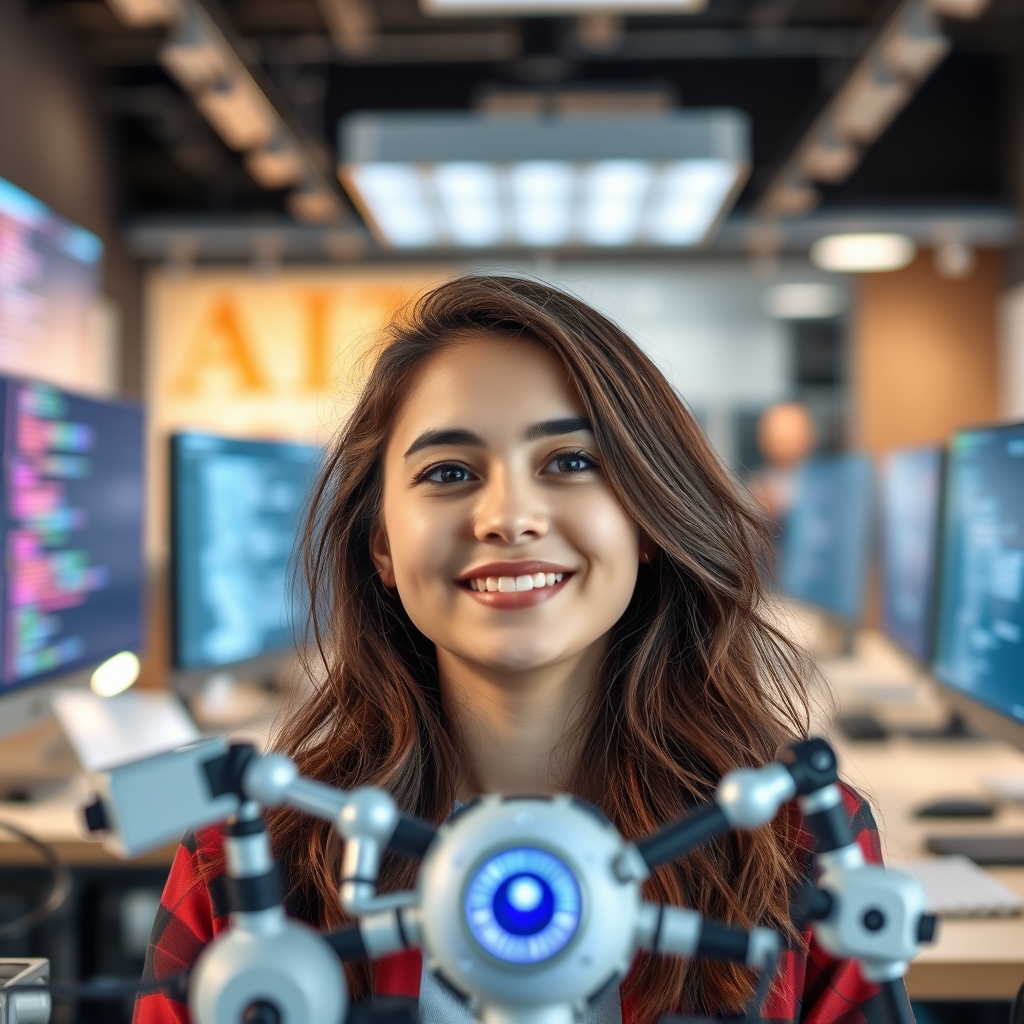
Unlocking Human Potential in AI-Driven Work Environments: Strategies for Thriving in the US and India Tech Industries
Embracing AI for Enhanced Human Potential
The integration of Artificial intelligence (AI) in work environments has revolutionized the way we approach tasks and challenges. As AI assumes more responsibilities, humans can focus on high-value tasks that require creativity, empathy, and complex decision-making. This shift not only boosts productivity but also unlocks human potential, enabling professionals to grow and develop in meaningful ways.
Understanding the Impact of AI on Human Potential
The rise of AI-Driven Work Environments has brought about significant changes in the way we work and interact with technology. As AI tools become increasingly sophisticated, they are assuming more responsibilities, freeing humans to focus on tasks that require creativity, empathy, and complex decision-making.
The Rise of AI-Driven Work Environments
AI-Driven Work Environments are becoming the norm in the US and India tech industries. With the help of AI tools, professionals can automate repetitive tasks, analyze complex data, and make informed decisions. This shift has opened up new opportunities for growth and development, enabling professionals to focus on high-value tasks that require human skills.
The Role of AI in Software Engineering and Development
AI is playing a critical role in software engineering and development. AI tools are being used to automate testing, improve code quality, and enhance collaboration. As AI assumes more responsibilities, software engineers can focus on designing and developing innovative solutions that meet the needs of customers.
Navigating the US and India Tech Industries
The US and India tech industries are experiencing significant growth, driven by the adoption of AI and other emerging technologies. As professionals navigate these industries, they must be equipped with the skills and knowledge required to thrive in an AI-driven environment.
Key Trends in US Software Jobs and Career Development
US software jobs are experiencing significant growth, driven by the adoption of AI and other emerging technologies. Professionals must be equipped with the skills and knowledge required to thrive in an AI-driven environment, including expertise in AI tools, machine learning, and data science.
Emerging Opportunities in India Software Jobs and Career Advancement
India software jobs are also experiencing significant growth, driven by the adoption of AI and other emerging technologies. Professionals must be equipped with the skills and knowledge required to thrive in an AI-driven environment, including expertise in AI tools, machine learning, and data science.
Unlocking Human Potential through AI Development
Unlocking human potential is crucial for success in AI-Driven Work Environments. By developing essential skills, professionals can thrive in the US and India tech industries. This includes expertise in AI tools, machine learning, and data science, as well as soft skills such as communication, collaboration, and problem-solving.
Strategies for Maximizing Human Potential in AI-Driven Work
Professionals can maximize their human potential in AI-Driven Work Environments by developing essential skills, including expertise in AI tools, machine learning, and data science. This also includes soft skills such as communication, collaboration, and problem-solving.
Real-World Examples of AI Development in US and India
AI development is being used in various industries, including healthcare, finance, and customer service. Professionals in the US and India are developing innovative solutions that meet the needs of customers, including chatbots, virtual assistants, and predictive analytics.
Preparing for the Future of Work
The future of work is changing rapidly, driven by the adoption of AI and other emerging technologies. Professionals must be equipped with the skills and knowledge required to thrive in an AI-driven environment, including expertise in AI tools, machine learning, and data science.
The Importance of Continuous Learning in AI-Driven Work
Continuous learning is crucial for success in AI-Driven Work Environments. Professionals must be equipped with the skills and knowledge required to adapt to changing technologies and industry trends.
Strategies for Staying Relevant in the Evolving Tech Landscape
Professionals can stay relevant in the evolving tech landscape by developing essential skills, including expertise in AI tools, machine learning, and data science. This also includes soft skills such as communication, collaboration, and problem-solving.
Best Practices for Thriving in AI-Driven Work Environments
Thriving in AI-Driven Work Environments requires professionals to develop essential skills, including expertise in AI tools, machine learning, and data science. This also includes soft skills such as communication, collaboration, and problem-solving.
Embracing Flexibility and Adaptability
Embracing flexibility and adaptability is crucial for success in AI-Driven Work Environments. Professionals must be equipped to adapt to changing technologies and industry trends.
Building a Strong Network of AI Professionals
Building a strong network of AI professionals is essential for success in AI-Driven Work Environments. Professionals can connect with other professionals, share knowledge and expertise, and stay up-to-date with industry trends.
What are the benefits of leveraging AI in work environments to unlock human potential?
By embracing AI, organizations can enhance employee productivity, improve decision-making, and create more engaging work experiences, ultimately leading to higher levels of human potential in AI-driven work environments.
How can AI-driven tools help employees develop new skills and adapt to changing work environments?
AI-powered tools can provide personalized learning experiences, real-time feedback, and adaptive learning paths, enabling employees to upskill and reskill more efficiently and effectively.
What role does human collaboration play in achieving human potential in AI-driven work environments?
Human collaboration is essential in AI-driven work environments, as it enables employees to share knowledge, expertise, and perspectives, leading to more innovative and effective solutions.
Can AI-driven work environments lead to job displacement or automation?
While AI may automate certain tasks, it can also create new job opportunities and enhance existing ones, leading to increased productivity and economic growth.
How can organizations balance the benefits of AI with the potential risks and biases associated with AI-driven systems?
Organizations can mitigate risks by implementing robust AI governance frameworks, conducting regular audits, and prioritizing transparency, accountability, and diversity in AI development and deployment.
What are some best practices for implementing AI in a way that supports human potential in work environments?
Best practices include setting clear goals and objectives, involving employees in the AI development process, and ensuring that AI is used to augment human capabilities rather than replace them.
How can AI-driven work environments be designed to promote well-being and job satisfaction among employees?
AI-driven work environments can be designed to promote well-being and job satisfaction by incorporating features such as flexible work arrangements, mental health support, and opportunities for growth and development.
Conclusion
Unlocking human potential is crucial for success in AI-Driven Work Environments. By developing essential skills, professionals can thrive in the US and India tech industries. This includes expertise in AI tools, machine learning, and data science, as well as soft skills such as communication, collaboration, and problem-solving.