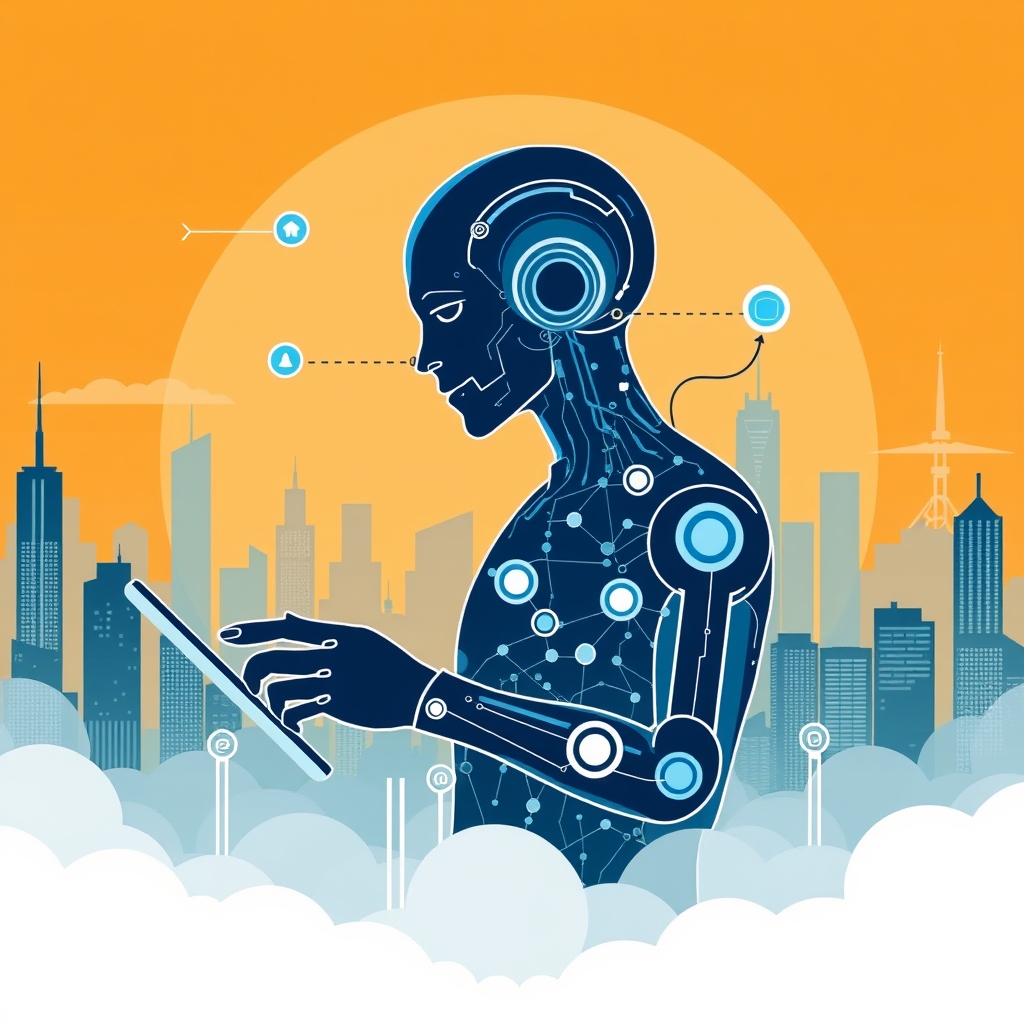
Unlocking Human Potential in an AI-Augmented Workforce: Thriving in the Era of AI Transformation
Introduction
As AI continues to transform industries TensorFlow machine learning and workplaces, the concept of 'thrive' takes on a new meaning. It's no longer about merely surviving or staying relevant but about actively unlocking human potential in an AI-augmented workforce. This requires a deeper understanding of the benefits and challenges of AI in the workplace, as well as effective strategies for upskilling and reskilling.
According to a recent survey, 85% of organizations believe that AI has already transformed their industry, while 70% of workers see AI as a crucial factor in their job security. With these statistics in mind, it's essential for software engineers to understand how AI can enhance their work and what skills they need to acquire to thrive in this new landscape.
Understanding the AI-Augmented Workforce
The Benefits and Challenges of AI in the Workplace
The integration of AI in the workplace brings numerous benefits, including increased efficiency, enhanced productivity, and improved decision-making. However, it also presents challenges such as job displacement, data privacy concerns, and the need for ongoing education and training.
For instance, AI-powered tools can automate routine tasks, freeing up human resources for more complex and creative work. However, this shift also requires workers to adapt to new technologies and workflows, which can be daunting.
   // Example of an AI-powered tool automating routine tasks
   def automate_task(task_list):
       # Use AI to analyze and prioritize tasks
       prioritized_tasks = ai_analyze(task_list)
       # Delegate tasks to human resources
       delegate_tasks(prioritized_tasks)
Human and AI Collaboration: A Key to Success
While AI can augment human capabilities, it's essential to recognize that humans and AI are complementary, not competing, forces. By working together, humans and AI can achieve far more than they could alone.
For example, AI can process vast amounts of data, identify patterns, and provide insights, while humans can provide context, empathy, and creativity. By combining these strengths, organizations can unlock new levels of innovation and productivity.
Consider the case of healthcare, where AI-powered diagnostic tools can analyze medical images and identify potential health issues. However, human doctors are still needed to interpret the results, provide a diagnosis, and develop a treatment plan.
Developing Skills for the AI Era
The Importance of Human Skills in a World of Automation
As AI takes on more routine and repetitive tasks, human skills such as creativity, empathy, and problem-solving become increasingly valuable. These skills are difficult to automate and are essential for driving innovation and growth.
According to a McKinsey report, by 2030, up to 140 million jobs could be lost worldwide due to automation, while 70 million new jobs could emerge. However, these new jobs will require workers to possess a unique combination of technical, business, and human skills.
Strategies for Upskilling and Reskilling in the AI Age
To stay relevant in an AI-augmented workforce, software engineers must be willing to upskill and reskill. This requires a commitment to lifelong learning, a willingness to take calculated risks, and a focus on developing transferable skills.
Some key strategies for upskilling and reskilling include:
- Taking online courses and certification programs
- Participating in hackathons and innovation challenges
- Seeking mentorship and feedback from industry experts
- Developing a personal project or side hustle
Navigating the Impact of AI on Jobs and Careers
Adapting to Changing Job Requirements and Market Demands
As AI transforms industries and workplaces, job requirements and market demands are shifting rapidly. To stay ahead, software engineers must be agile, adaptable, and open to new opportunities.
For example, the rise of AI-powered tools has created new career paths in areas such as AI development, deployment, and management. However, it's also led to job displacement in areas such as customer service and data entry.
Building a Career in AI Development and Deployment
For software engineers interested in building a career in AI development and deployment, there are several key skills to focus on, including:
- Programming languages such as Python, R, and Julia
- AI frameworks and libraries such as TensorFlow, PyTorch, and Keras
- Data science and machine learning techniques
- Cloud computing and containerization
Embracing AI-Augmented Work and Productivity
Best Practices for Workflow Optimization and AI Integration
To maximize the benefits of AI, software engineers must focus on workflow optimization and AI integration. This requires a deep understanding of AI tools and techniques, as well as the ability to design and implement effective workflows.
Some key best practices for workflow optimization and AI integration include:
- Identifying areas where AI can augment human capabilities
- Designing workflows that leverage AI-powered tools and techniques
- Monitoring and evaluating AI performance and impact
- Continuously refining and improving workflows to optimize results
Strategies for Managing Stress and Burnout in an AI-Driven Work Environment
Working in an AI-driven work environment can be demanding, with high expectations and tight deadlines. To manage stress and burnout, software engineers must prioritize self-care, set realistic goals, and seek support from colleagues and mentors.
Some key strategies for managing stress and burnout include:
- Practicing mindfulness and meditation
- Setting clear boundaries and priorities
- Seeking feedback and support from colleagues and mentors
- Engaging in regular exercise and physical activity
What is the future of work in an AI-augmented workforce?
As AI assumes routine and repetitive tasks, human potential can be unlocked in an AI-augmented workforce by focusing on high-value skills such as creativity, empathy, and complex problem-solving. This shift enables individuals to thrive in a more dynamic and innovative work environment, where collaboration and human judgment are essential. By doing so, businesses can tap into the unique strengths of their human workforce.
How can employees adapt to an AI-augmented workforce?
To adapt, employees must be willing to upskill and reskill to remain relevant in an AI-driven landscape. This involves focusing on tasks that require human skills such as critical thinking, creativity, and emotional intelligence. By embracing lifelong learning and staying adaptable, employees can unlock their full potential in an AI-augmented workforce.
What is the role of human intuition in an AI-augmented workforce?
Human intuition remains a valuable asset in an AI-augmented workforce, particularly in situations that require creativity, empathy, and complex decision-making. While AI can process vast amounts of data, human intuition can provide context and nuance that AI may miss. By combining the strengths of human intuition and AI, businesses can unlock human potential and drive innovation.
Can AI truly augment human potential or replace human workers?
AI is designed to augment human potential by automating routine tasks, freeing up human workers to focus on high-value tasks that require creativity, empathy, and complex problem-solving. While AI may replace some jobs, it will also create new opportunities for human workers to thrive in an AI-augmented workforce. By embracing this shift, businesses can unlock human potential and drive growth.
How can businesses unlock human potential in an AI-augmented workforce?
To unlock human potential, businesses must create an environment that fosters collaboration, creativity, and innovation. This involves providing training and development opportunities, promoting a culture of continuous learning, and empowering employees to take ownership of their work. By doing so, businesses can tap into the unique strengths of their human workforce and drive success in an AI-augmented landscape.
What are the benefits of an AI-augmented workforce?
An AI-augmented workforce offers numerous benefits, including increased productivity, improved decision-making, and enhanced innovation. By automating routine tasks and focusing on high-value tasks, human workers can deliver higher-quality results, drive growth, and improve job satisfaction. As AI assumes routine tasks, human potential can be unlocked in an AI-augmented workforce, enabling individuals to thrive in a more dynamic and innovative work environment.
How can employees balance the benefits of AI with the potential risks?
To balance the benefits and risks of AI, employees must be aware of the potential impact of AI on their role and develop strategies to adapt. This involves staying up-to-date with industry trends, developing new skills, and seeking support from colleagues and mentors. By taking a proactive approach to AI adoption, employees can unlock their full potential in an AI-augmented workforce and thrive in a rapidly changing work environment.
Conclusion
Unlocking human potential in an AI-augmented workforce requires a strategic approach to upskilling, reskilling, and adapting to changing job requirements. By embracing AI tools and machine learning, software engineers can optimize workflows, enhance productivity, and build successful careers. As we look to the future, it's essential to recognize the value of human skills and the need for ongoing education and training.
This guide has provided a comprehensive overview of the key strategies and best practices for thriving in an AI-augmented workforce. By following these tips and staying committed to lifelong learning, software engineers can unlock their full potential and drive success in this rapidly evolving landscape.