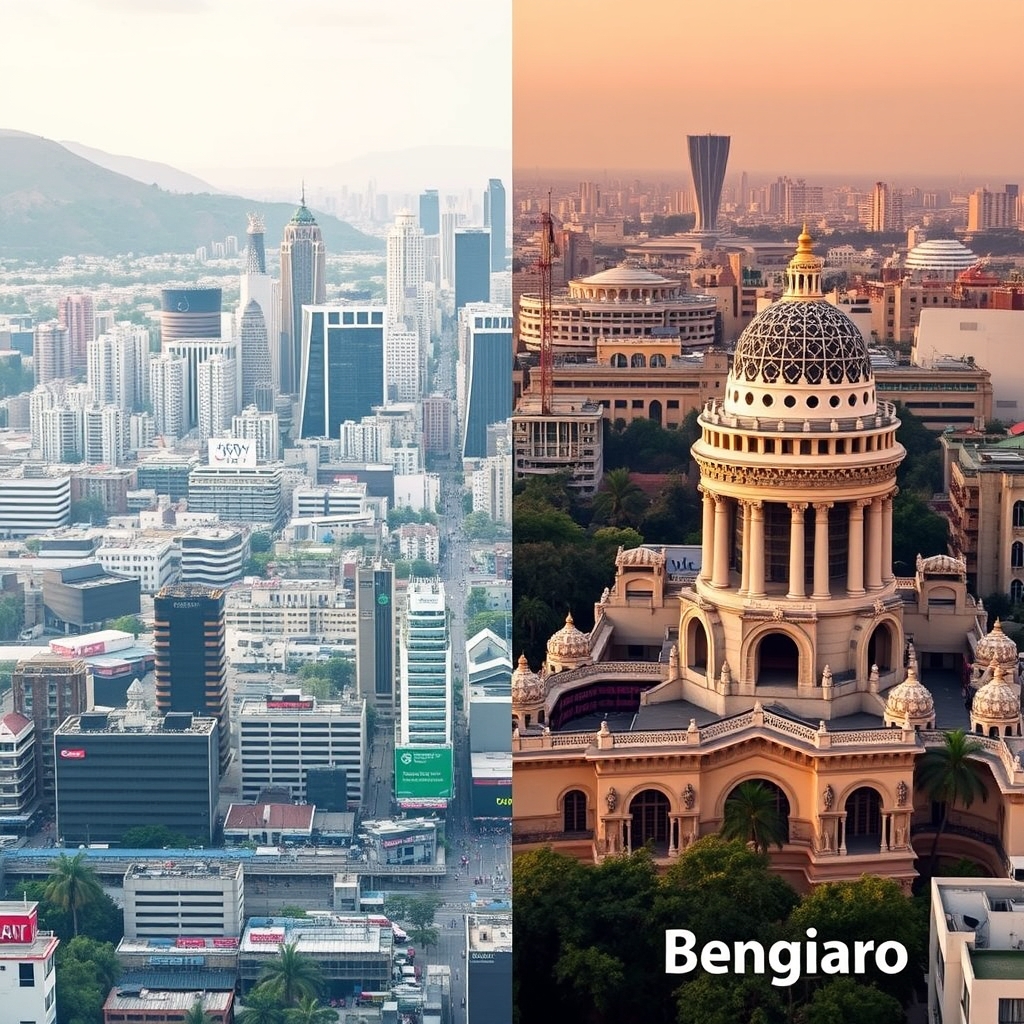
US vs India Startup Ecosystems: A Comparative Analysis of Growth and Opportunities
Exploring the Rise of Startup Ecosystems in US and India - A Comparative Analysis
The US and India are two of the most prominent GitHub repository startup ecosystems in the world, with a strong focus on innovation, entrepreneurship, and technological advancements. The US has been at the forefront of the startup revolution, with hubs like Silicon Valley, New York City, and San Francisco driving the growth of new businesses. India, on the other hand, has emerged as a significant player in recent years, with cities like Bengaluru, Mumbai, and Delhi gaining traction as startup hubs.
Key Differences Between US and India Startup Ecosystems
Funding and Investment Landscape in US and India
The US has a well-established funding and investment landscape, with a strong presence of venture capitalists, angel investors, and private equity firms. In contrast, India's funding landscape is still evolving, with a growing number of venture capitalists and angel investors entering the market. However, the US still has a significant edge in terms of funding, with many Indian startups seeking investment from US-based firms.
Talent Pool and Workforce Development in US and India
Both the US and India have a large pool of talented engineers and developers, but the US has a significant advantage in terms of workforce development. The US has a well-established education system, with many top-ranked universities and institutions providing high-quality education in technology and engineering. India, on the other hand, has a large pool of talented engineers but faces challenges in terms of education quality and infrastructure.
AI and Machine Learning in US and India - A Comparative Analysis
Adoption and Implementation of AI and ML in US and India
Both the US and India are adopting and implementing AI and ML technologies at a rapid pace, with many startups and established companies investing heavily in these areas. However, the US has a significant edge in terms of innovation and R&D, with many top-ranked universities and research institutions driving the development of AI and ML technologies.
Challenges and Opportunities in AI and ML in US and India
Both the US and India face challenges in terms of AI and ML adoption, including data quality, infrastructure, and talent availability. However, there are also significant opportunities for growth and innovation in these areas, particularly in India where there is a large pool of talented engineers and developers.
Software Engineering and Tech Industry in US and India
Job Market and Career Opportunities in Software Engineering in US and India
The US and India have a large and growing job market for software engineers, with many top-ranked companies and startups seeking talented engineers. However, the US has a significant edge in terms of salary and benefits, with many Indian software engineers migrating to the US for better career opportunities.
Tech Layoffs and Industry Trends in US and India
Both the US and India have experienced tech layoffs and industry trends in recent years, including the impact of automation, AI, and changing market conditions. However, the US has a more mature industry, with many established companies and a more developed job market.
Best Practices for Navigating US and India Startup Ecosystems
Strategies for Successful Tech Startups in US and India
To succeed in the US and India startup ecosystems, companies need to develop a clear strategy and execute it effectively. This includes identifying a scalable business model, building a strong team, and securing funding from top investors.
Lessons Learned from Successful Tech Startups in US and India
Many successful tech startups in the US and India have learned valuable lessons about innovation, entrepreneurship, and growth. These lessons include the importance of adaptability, agility, and a strong focus on customer needs.
What are the key factors driving the growth of startup ecosystems in the US and India?
The US and India startup ecosystems are driven by factors such as government support, access to funding, and a skilled talent pool. While the US has a strong history of entrepreneurship, India is rapidly catching up with its own unique strengths. The primary keyword 'US vs India startup ecosystems' highlights the differences in these two markets.
How do the regulatory environments in the US and India impact startup growth?
The regulatory environments in the US and India have varying levels of support for startups. The US has a more established regulatory framework, while India is working to simplify its regulations to encourage entrepreneurship. This difference affects the ease of starting and scaling a business in each country.
What are the primary differences in funding opportunities between the US and India startup ecosystems?
Funding opportunities are more mature in the US, with a broader range of investors and larger funding rounds. In contrast, India's startup ecosystem is still developing, with a focus on bootstrapping and angel investors. However, India's growth potential is attracting more VC investment.
How do the cultural and social factors influence startup growth in the US and India?
Cultural and social factors play a significant role in shaping startup ecosystems. In the US, there's a strong culture of entrepreneurship, while in India, there's a growing emphasis on innovation and risk-taking. These differences affect the types of startups that emerge and the level of support they receive.
What are the key industries driving growth in the US and India startup ecosystems?
The US startup ecosystem is driven by industries like fintech, healthtech, and e-commerce, while India is seeing growth in areas like edtech, agritech, and logistics. These differences reflect the unique strengths and needs of each market.
How do government initiatives impact the startup ecosystems in the US and India?
Government initiatives, such as tax incentives and funding programs, can significantly boost startup growth. The US and India have implemented various initiatives to support entrepreneurship, although the effectiveness and scope of these programs vary.
What are the implications of the US vs India startup ecosystems for global innovation?
The US and India startup ecosystems have the potential to drive global innovation, with each country bringing unique strengths and perspectives. As these ecosystems continue to grow, we can expect to see new technologies, products, and services that address global challenges.
Conclusion: Key Takeaways and Future Directions for US and India Startup Ecosystems
The US and India startup ecosystems are growing rapidly, with many opportunities for innovation, entrepreneurship, and growth. However, both ecosystems also face challenges and challenges, including talent availability, funding, and infrastructure. To succeed in these ecosystems, companies need to develop a clear strategy, execute it effectively, and adapt to changing market conditions.