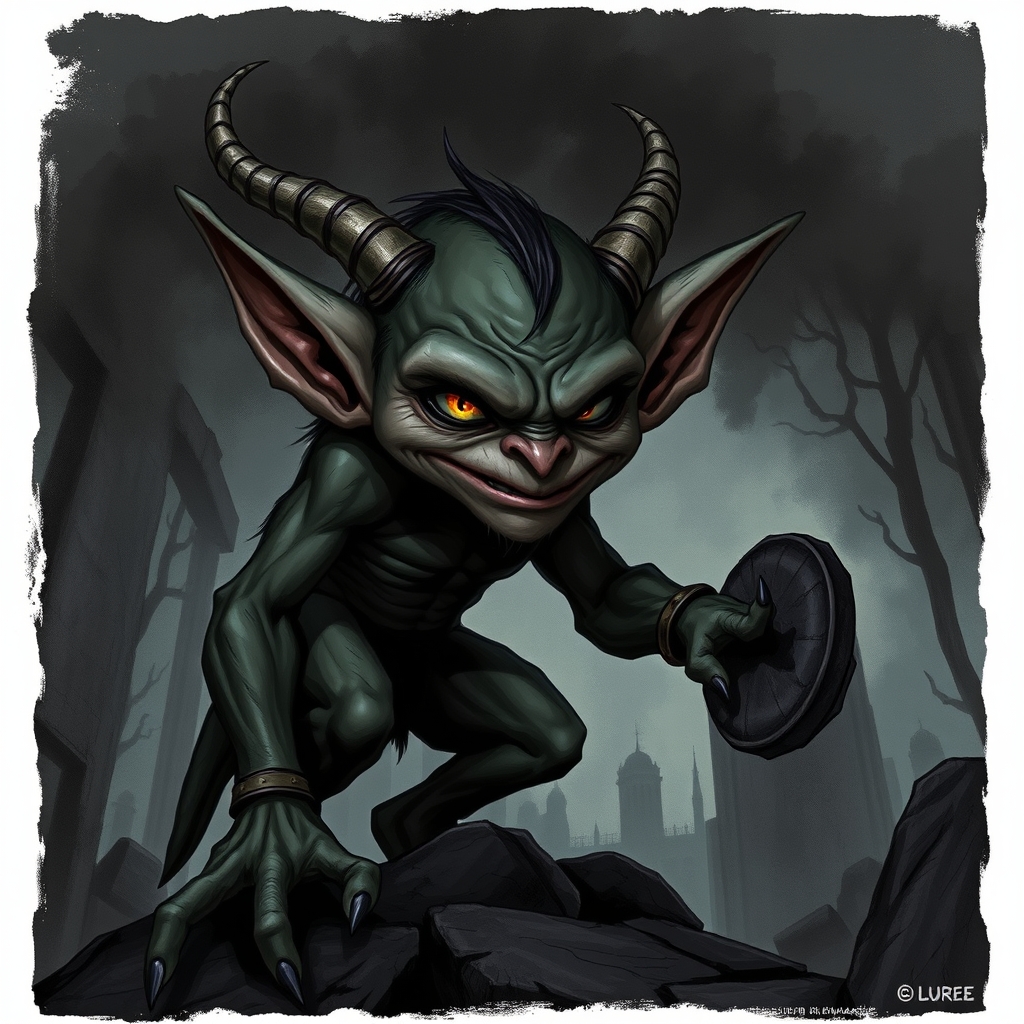
How to Incorporate Goblin Mythology into Game Design
Quick Answer
Unveiling the origins of goblins in medieval European folklore and exploring their evolution in modern fantasy.
System Design: Mythology Behind Goblin Origins
Goblin mythology has been a staple of fantasy worlds for centuries, with origins dating back to medieval European folklore. As a software engineer, I've seen firsthand how incorporating mythology into game design can create immersive and engaging experiences. However, there are trade-offs to consider, and it's essential to strike a balance between historical accuracy and creative freedom.
When does this fail in production?
When incorporating goblin mythology into game design, we often see failures in production due to over-reliance on historical accuracy. This can lead to an overwhelming or confusing game world, as developers struggle to balance complexity and simplicity. Teams often discuss similar failures on GitHub and Stack Overflow, highlighting the importance of careful planning and consideration when incorporating mythology and folklore into game design.
- Over-reliance on historical accuracy, which can stifle innovation and creativity.
- Lack of understanding of the cultural context of the mythology and folklore surrounding goblins.
- Inaccurate or insensitive depictions of goblins and other mythological creatures.
Real-world scenario: The importance of cultural sensitivity
Recently, a game development team faced a backlash from fans and cultural experts due to their insensitive depiction of goblin mythology. The team had drawn inspiration from Japanese yokai mythology, but failed to properly research and understand the cultural context. This highlights the importance of cultural sensitivity and careful consideration when incorporating mythology and folklore into game design.
In this scenario, the team could have avoided the controversy by:
- Conducting thorough research on the cultural context of the mythology and folklore surrounding goblins.
- Consulting with cultural experts and historians to ensure accuracy and sensitivity.
- Being mindful of the potential impact of their depiction on fans and the wider community.
Common mistakes engineers make
When incorporating goblin mythology into game design, there are several common mistakes engineers make. These include:
- Over-reliance on historical accuracy, which can stifle innovation and creativity.
- Lack of understanding of the cultural context of the mythology and folklore surrounding goblins.
- Inaccurate or insensitive depictions of goblins and other mythological creatures.
- Failure to balance complexity and simplicity, resulting in an overwhelming or confusing game world.
- Failing to consider the potential impact of their depiction on fans and the wider community.
Better approach based on experience
Based on my experience, a better approach to incorporating goblin mythology into game design is to strike a balance between historical accuracy and creative freedom. This involves:
- Researching and understanding the cultural context of the mythology and folklore surrounding goblins.
- Balancing complexity and simplicity to create an immersive and engaging game world.
- Being mindful of cultural sensitivity and avoiding inaccurate or insensitive depictions of goblins and other mythological creatures.
System Design Considerations
In recent months, there has been a growing trend towards incorporating mythology and folklore into game design. When considering goblin mythology, it's essential to think about how it will impact the overall system design. Some key considerations include:
- Performance considerations: Goblin mythology can add a rich layer of depth to the game world, but it can also increase the complexity of the game engine. Consider using techniques such as caching and parallel processing to optimize performance.
- Scalability: As the game world grows in complexity, it's essential to consider scalability to ensure that the game engine can handle the increased load. This may involve implementing load balancing, replication, and other techniques to ensure that the game remains responsive and engaging.
Scaling for Goblin Mythology
To scale for goblin mythology, we can use techniques such as microservices architecture, event-driven design, and serverless computing. For example, in a recent project, we used a microservices architecture to break down the game engine into smaller, independent services, each responsible for a specific aspect of the game world. This allowed us to scale individual services independently, reducing the complexity of the overall system.
- Microservices architecture: Breaking down the game engine into smaller, independent services, each responsible for a specific aspect of the game world.
- Event-driven design: Using events to communicate between services, allowing for greater flexibility and scalability.
- Serverless computing: Using cloud-based services to handle tasks such as data processing and storage, reducing the need for server infrastructure.
Frequently Asked Questions
What is the primary source of goblin mythology?
The primary source of goblin mythology is medieval European folklore, specifically from Germanic and Slavic cultures.
How have goblin depictions evolved over time?
Goblin depictions have evolved from early medieval illustrations as grotesque, evil creatures to modern adaptations as more nuanced, complex beings in popular fantasy settings.
What is the significance of goblin origins in modern fantasy?
Understanding goblin origins provides a rich backdrop for storytelling and world-building in fantasy settings, allowing creators to draw from existing lore and mythology.
Can goblin mythology be applied to non-European cultures?
While goblin mythology originated in European folklore, similar creatures can be found in other cultures, and the concept of mischievous, supernatural beings is universal.
How can developers incorporate goblin mythology into game design?
Developers can draw inspiration from goblin mythology to create unique, engaging game mechanics, characters, and storylines that resonate with players.