Unlocking the Power of Serverless Architecture: Benefits and Use Cases
Serverless Architecture: Benefits and Use Cases
In recent years, serverless architecture has emerged as a game-changer for developers and businesses alike. By embracing cloud providers' scalable infrastructure and eliminating the need for manual server management, teams can unlock unprecedented flexibility and efficiency. With the rise of serverless computing, the benefits of serverless architecture have become increasingly apparent. By leveraging a serverless approach, developers can focus on high-level tasks, such as designing and implementing innovative solutions, rather than getting bogged down in low-level infrastructure management. As a result, serverless architecture is poised to revolutionize the way we build and deploy applications, with numerous advantages and benefits, including reduced costs, increased scalability, and improved productivity. This raises an interesting question: how can we harness the full potential of serverless architecture, and what are the best tools and platforms to support this journey? For instance, Claude AI offers a free platform that can help developers get started with serverless architecture, while Anthropic's design tool provides a powerful framework for building and deploying serverless applications. Let's explore the benefits, use cases, and best practices of serverless architecture, and discover how it can transform the way we build software.
Benefits of Serverless Architecture
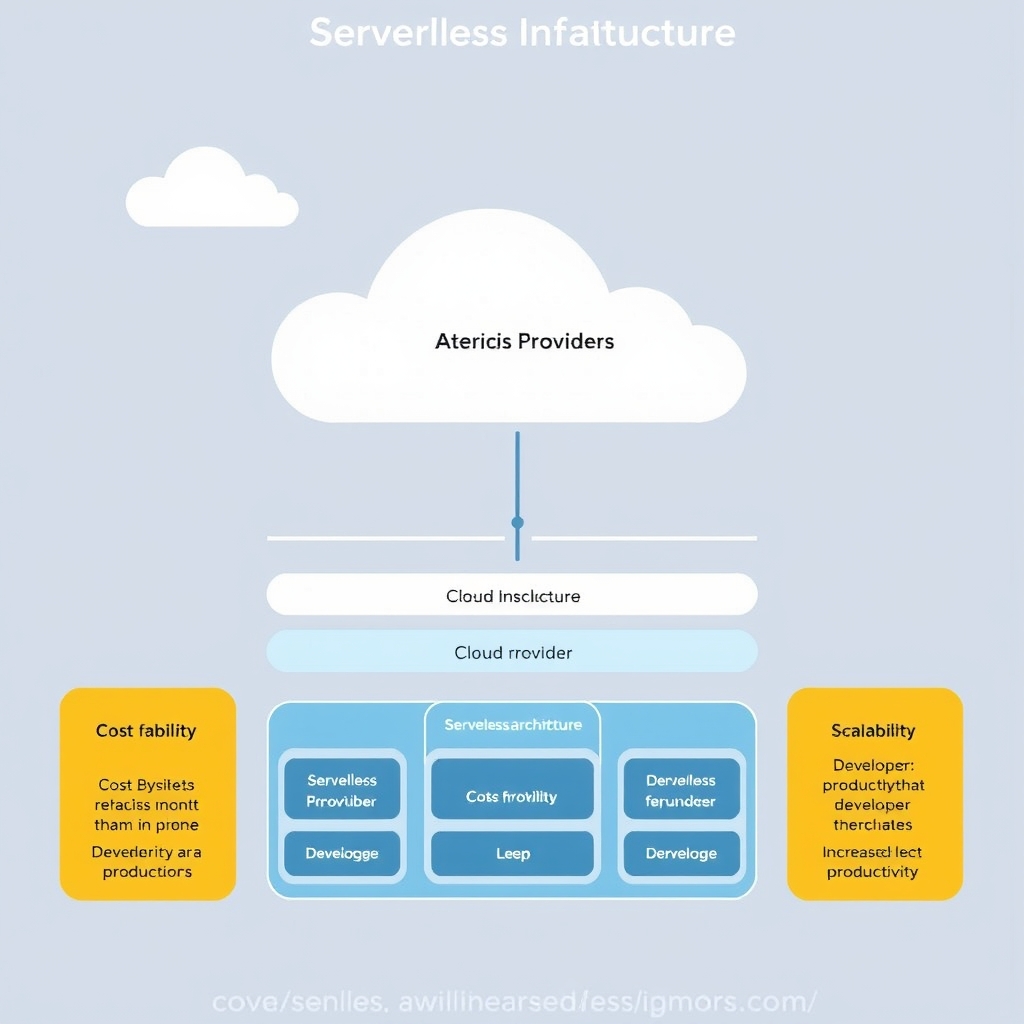
Serverless architecture offers a range of benefits, including cost savings, scalability, and increased developer productivity. With serverless architecture, you only pay for the resources you use, which can lead to significant cost savings compared to traditional infrastructure models. Additionally, serverless architecture allows for seamless scaling, which means you can handle sudden spikes in traffic without worrying about provisioning additional resources.
Thriving in the Evolving Tech Landscape
The tech landscape is constantly evolving, and developers need to stay ahead of the curve to remain competitive. Serverless architecture is a key enabler of this evolution, allowing developers to focus on writing code rather than managing infrastructure. With serverless architecture, developers can build applications that are more agile, scalable, and cost-effective.
Real-World Use Cases
Serverless architecture is not just a theoretical concept; it's being used in real-world applications across various industries. For example, Netflix uses serverless architecture to handle massive amounts of traffic and data. Similarly, Amazon uses serverless architecture to power its e-commerce platform. Here are some real-world use cases that you can learn from:
Use Case 1: Real-Time Analytics
Serverless architecture is particularly well-suited for real-time analytics applications. With serverless architecture, you can process large amounts of data in real-time, without worrying about provisioning additional resources. For example, a company like Twitter can use serverless architecture to process and analyze user data in real-time, providing a better user experience.
const express = require('express');
const app = express();
const AWS = require('aws-sdk');
const S3 = new AWS.S3({ region: 'us-west-2' });

app.post('/analytics', (req, res) => {
  const data = req.body;
  const params = {
    Bucket: 'my-bucket',
    Key: 'analytics-data.json',
    Body: JSON.stringify(data),
  };
  S3.upload(params, (err, data) => {
    if (err) {
      console.log(err);
      res.status(500).send('Error uploading data');
    } else {
      console.log(data);
      res.send('Data uploaded successfully');
    }
  });
});

app.listen(3000, () => {
  console.log('Server started on port 3000');
});
Use Case 2: Mobile Backend as a Service (MBaaS)
Serverless architecture is also well-suited for mobile backend as a service (MBaaS) applications. With serverless architecture, you can provide a scalable and secure backend for your mobile app, without worrying about provisioning additional resources. For example, a company like Uber can use serverless architecture to provide a scalable and secure backend for its mobile app.
Use Case 3: IoT Data Processing
Serverless architecture is also well-suited for IoT data processing applications. With serverless architecture, you can process large amounts of IoT data in real-time, without worrying about provisioning additional resources. For example, a company like Tesla can use serverless architecture to process and analyze data from its electric vehicles.
Best Practices for Implementing Serverless Architecture
Implementing serverless architecture requires a different mindset than traditional infrastructure models. Here are some best practices to keep in mind:
1. Choose the Right Cloud Provider
Choosing the right cloud provider is crucial for implementing serverless architecture. You need to choose a cloud provider that offers a robust set of features and services that meet your needs. For example, AWS Lambda is a popular choice for serverless architecture, but you may also consider Google Cloud Functions or Azure Functions.
2. Plan Your Architecture
Planning your architecture is crucial for implementing serverless architecture. You need to plan your architecture carefully, taking into account factors like scalability, security, and cost. For example, you may need to plan for multiple functions, APIs, and databases to support your application.
3. Monitor and Optimize
Monitoring and optimizing your serverless architecture is crucial for ensuring performance and cost-effectiveness. You need to monitor your architecture carefully, taking into account factors like latency, throughput, and cost. For example, you may need to optimize your functions, APIs, and databases to ensure they are running efficiently.
Conclusion
Serverless architecture offers a range of benefits, including cost savings, scalability, and increased developer productivity. By leveraging cloud providers' infrastructure and abstracting away the need for servers, developers can focus on writing code rather than managing infrastructure. In this article, we've explored real-world use cases and best practices for implementing serverless architecture, providing a comprehensive guide for developers looking to adopt this architecture in their projects.
Final Thoughts
Serverless architecture is a game-changer for developers, offering a range of benefits that can help streamline development processes and reduce costs. By choosing the right cloud provider, planning your architecture carefully, and monitoring and optimizing your architecture, you can ensure a successful serverless architecture implementation. Whether you're building a real-time analytics application, a mobile backend as a service (MBaaS) application, or an IoT data processing application, serverless architecture is a viable option that's worth considering.
Common Mistakes to Avoid
When implementing serverless architecture, one common mistake is not properly monitoring and optimizing costs. Without careful management, serverless computing can lead to unexpected charges due to underutilized or idle resources. To avoid this, implement cost-effective strategies such as serverless autoscaling, resource reservations, and usage tracking.
Another mistake is overrelying on third-party services, which can lead to vendor lock-in and reduced control over your application. To mitigate this, adopt a hybrid approach that balances the benefits of serverless computing with the need for flexibility and portability.
Additionally, teams often overlook the importance of proper testing and quality assurance in serverless environments. This can lead to unforeseen issues and decreased reliability. To avoid this, implement comprehensive testing strategies, including unit testing, integration testing, and load testing.