Unlocking the Power of AI-Powered Healthcare: Trends, Innovations, and Career Insights
Introduction: The Promise of AI in Healthcare
The healthcare industry is on the cusp OpenAI technology of a revolution, driven by the rapid advancement of artificial intelligence (AI) and machine learning (ML) technologies. AI-powered healthcare has the potential to transform the way we diagnose, treat, and engage with patients, leading to better health outcomes and improved quality of life. As AI adoption continues to grow, it's essential for healthcare professionals, software engineers, and technology enthusiasts to understand the trends, innovations, and career insights driving this transformative landscape.
Thriving in the Evolving Tech Landscape
The AI-driven tech landscape is rapidly evolving, with new tools, trends, and career opportunities emerging every day. To thrive in this landscape, it's crucial to stay ahead of the curve and continuously upskill your knowledge and expertise. As discussed in our guide to thriving in the AI-driven tech landscape, this requires a combination of technical skills, business acumen, and creativity.
The Role of AI in Healthcare Diagnosis
AI is revolutionizing healthcare diagnosis by enabling faster, more accurate, and personalized diagnosis. Machine learning algorithms can analyze vast amounts of medical data, identifying patterns and anomalies that may elude human clinicians. This enables healthcare professionals to make more informed decisions, leading to better patient outcomes.
AI-Powered Diagnostic Tools
Several AI-powered diagnostic tools are gaining traction in the healthcare industry, including:
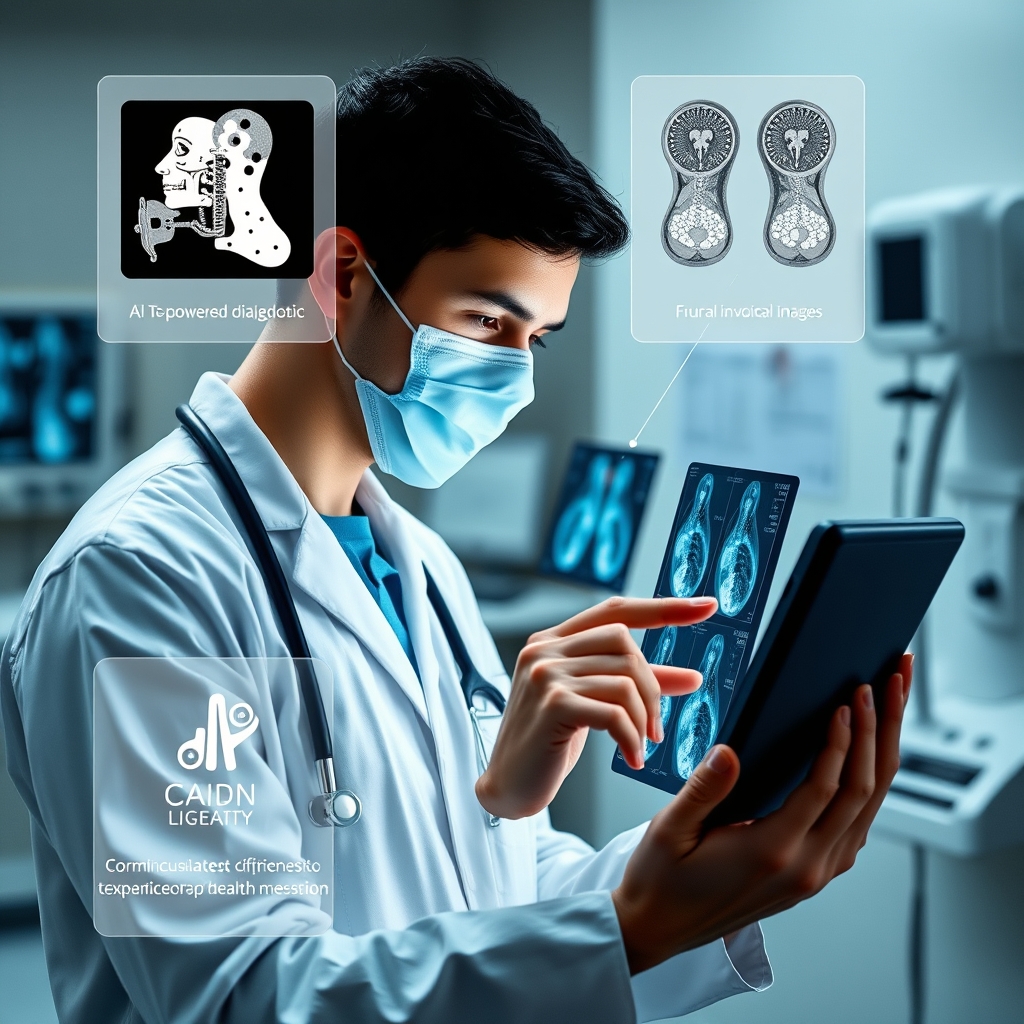
- Computer Vision: AI-powered computer vision can analyze medical images, such as X-rays and MRIs, to detect abnormalities and diagnose conditions more accurately.
- Natural Language Processing (NLP): AI-powered NLP can analyze vast amounts of medical literature, enabling healthcare professionals to stay up-to-date with the latest research and treatment options.
- Predictive Analytics: AI-powered predictive analytics can analyze patient data, identifying high-risk patients and enabling healthcare professionals to take proactive measures to prevent complications.
AI-Powered Treatment and Patient Care
AI is also transforming patient care by enabling personalized treatment plans, improved medication adherence, and enhanced patient engagement. AI-powered chatbots and virtual assistants can provide patients with personalized support, reducing the burden on healthcare professionals and improving patient outcomes.
Personalized Medicine
AI-powered personalized medicine enables healthcare professionals to tailor treatment plans to individual patients, based on their unique genetic profiles, medical histories, and lifestyle factors. This leads to more effective treatment, reduced side effects, and improved patient outcomes.
Best Practices for Implementing AI in Healthcare
Implementing AI in healthcare requires careful planning, execution, and evaluation. Here are some best practices to consider:
Data Security and Patient Confidentiality
AI algorithms require access to vast amounts of sensitive medical data, which must be handled with the utmost care. Healthcare organizations must implement robust data security measures, ensuring patient confidentiality and compliance with relevant regulations.
Human-AI Collaboration for Better Outcomes
Effective human-AI collaboration is critical to achieving better patient outcomes. Healthcare professionals must work closely with AI developers, ensuring that AI-powered tools are designed to complement human expertise, rather than replace it.
AI-Driven Healthcare Innovations and Case Studies
AI-driven healthcare innovations are transforming the industry, from remote patient monitoring to AI-powered chatbots. Here are some real-world examples of AI in healthcare:
Real-World Examples of AI in Healthcare
- Remote Patient Monitoring: AI-powered remote patient monitoring enables healthcare professionals to track patient vital signs, reducing the risk of complications and improving patient outcomes.
- Ai-Powered Chatbots: AI-powered chatbots can provide patients with personalized support, reducing the burden on healthcare professionals and improving patient engagement.
- Predictive Analytics: AI-powered predictive analytics can analyze patient data, identifying high-risk patients and enabling healthcare professionals to take proactive measures to prevent complications.
Future of AI in Healthcare: Trends and Insights
The future of AI in healthcare is bright, with emerging technologies and applications transforming the industry. Here are some trends and insights to watch:
Emerging Technologies and AI Applications
- Edge AI: Edge AI enables AI algorithms to run on edge devices, reducing latency and improving real-time decision-making.
- Explainable AI: Explainable AI enables healthcare professionals to understand AI decision-making, improving trust and adoption.
- Cognitive Computing: Cognitive computing enables AI systems to learn from human behavior and adapt to changing environments.
What is AI-powered healthcare and how is it transforming the industry?
AI-powered healthcare refers to the application of artificial intelligence (AI) and machine learning (ML) technologies to improve healthcare outcomes, enhance patient care, and streamline clinical workflows. By leveraging AI, healthcare providers can gain valuable insights from medical data, identify patterns, and make more informed decisions.
How does AI-powered healthcare improve diagnosis accuracy and speed?
AI-powered healthcare can enhance diagnosis accuracy and speed by analyzing medical images, lab results, and patient data to identify potential health issues. AI algorithms can also detect rare conditions and provide early warnings, enabling healthcare professionals to take action sooner.
What role does AI play in personalizing patient care and treatment plans?
AI-powered healthcare enables personalized patient care by analyzing individual patient data, medical history, and genetic profiles to create tailored treatment plans. This approach can lead to more effective treatments, improved patient outcomes, and reduced healthcare costs.
How can AI-powered healthcare systems improve patient engagement and satisfaction?
AI-powered healthcare systems can improve patient engagement by providing personalized health advice, appointment reminders, and secure online access to medical records. This increased transparency and accessibility can lead to higher patient satisfaction and better health outcomes.
What are the potential risks and challenges associated with AI-powered healthcare?
While AI-powered healthcare holds great promise, there are potential risks and challenges, including data privacy concerns, algorithm bias, and cybersecurity threats. Healthcare organizations must prioritize data security, transparency, and accountability to ensure the safe and effective deployment of AI technologies.
Can AI-powered healthcare replace human healthcare professionals?
No, AI-powered healthcare is designed to augment human healthcare professionals, not replace them. AI algorithms can assist with routine tasks, provide support during decision-making, and help identify potential health issues, but human healthcare professionals remain essential for empathy, complex decision-making, and patient care.
What are the future prospects for AI-powered healthcare and its potential impact on the industry?
The future of AI-powered healthcare is promising, with potential applications in precision medicine, predictive analytics, and personalized healthcare. As AI technologies continue to evolve, we can expect significant advancements in healthcare outcomes, cost savings, and patient care, ultimately transforming the industry and improving lives.
Conclusion: Embracing AI for a Healthier Future
Ai-powered healthcare has the potential to transform the industry, from diagnosis and treatment to patient engagement. By embracing AI, healthcare organizations can improve patient outcomes, reduce costs, and stay ahead of the curve. As the industry continues to evolve, it's essential for healthcare professionals, software engineers, and technology enthusiasts to stay informed and adapt to the changing landscape. As discussed in our guide to thriving in the AI-driven tech landscape, this requires a combination of technical skills, business acumen, and creativity. By working together, we can unlock the full potential of AI-powered healthcare and create a healthier, more sustainable future for all.