Thriving in the Age of AI: Navigating AI Adoption Trends in US Tech Industry
AI Adoption Trends in US Tech Industry
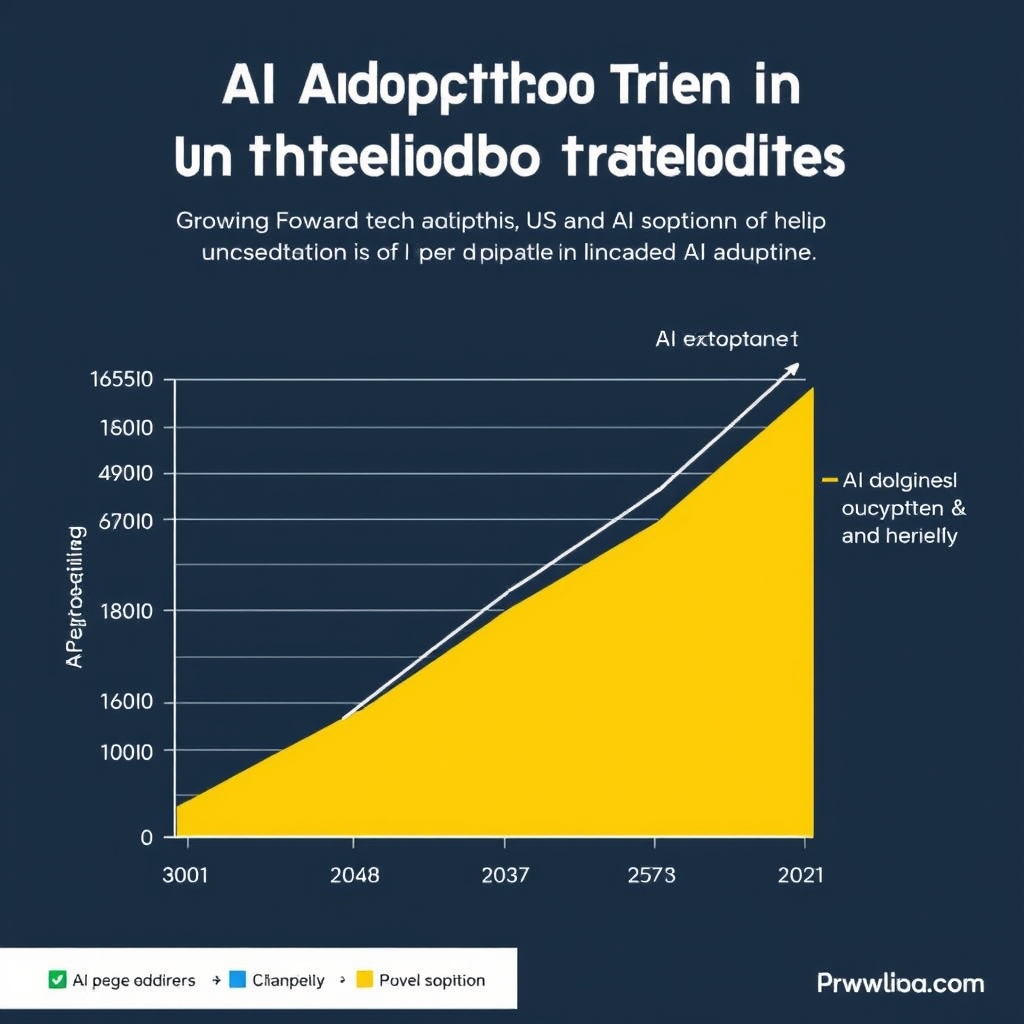
The US tech industry is witnessing Google's AI capabilities a significant shift towards AI adoption, driven by the need for automation, increased efficiency, and improved decision-making. According to a recent report, AI adoption rates in US tech are expected to reach 70% by 2025, up from 40% in 2020.
Overview of AI Adoption Rates in US Tech
The adoption of AI in US tech is gaining momentum, with a growing number of companies investing in AI-powered solutions. However, the journey to AI adoption is not without its challenges. A survey conducted among US tech professionals revealed that 60% of respondents faced difficulties in implementing AI solutions, citing lack of data quality and AI model bias as major roadblocks.
Key Sectors Driving AI Adoption in US
Several sectors in the US tech industry are driving AI adoption, including:
- Finance and Banking: AI-powered chatbots and virtual assistants are being used to improve customer experience and reduce operational costs.
- Healthcare: AI is being used to analyze medical data, predict patient outcomes, and personalize treatment plans.
- Manufacturing: AI-powered predictive maintenance and quality control systems are being used to improve efficiency and productivity.
Challenges Faced by US Tech Industry in AI Adoption
While AI adoption in US tech is gaining momentum, several challenges need to be addressed to ensure successful implementation. Some of the key challenges include:
Skill Gaps and Workforce Transformation
The US tech industry is facing a significant shortage of skilled professionals who can develop and implement AI solutions. This skill gap needs to be addressed through targeted training programs and education initiatives.
Data Quality and AI Model Bias
AI model bias and data quality are major roadblocks to successful AI implementation. Companies need to invest in data quality initiatives and develop strategies to mitigate AI model bias.
AI Adoption Trends in India Tech Industry
India is rapidly emerging as a hub for AI adoption, driven by the government's initiatives to promote AI development and deployment. The Indian tech industry is expected to witness significant growth in AI adoption, driven by the need for automation and improved efficiency.
Overview of AI Adoption Rates in Indian Tech
The adoption of AI in Indian tech is gaining momentum, with a growing number of companies investing in AI-powered solutions. According to a recent report, AI adoption rates in Indian tech are expected to reach 50% by 2025, up from 20% in 2020.
Emerging Sectors Driving AI Adoption in India
Several sectors in the Indian tech industry are driving AI adoption, including:
- Finance and Banking: AI-powered chatbots and virtual assistants are being used to improve customer experience and reduce operational costs.
- Healthcare: AI is being used to analyze medical data, predict patient outcomes, and personalize treatment plans.
- Retail: AI-powered recommendation systems are being used to improve customer experience and increase sales.
Best Practices for AI Adoption in US and India Tech Industries
To ensure successful AI implementation, companies need to follow best practices such as:
Strategies for Successful AI Implementation
Companies need to develop a clear AI strategy that aligns with their business goals and objectives. This includes investing in AI-powered solutions, developing a skilled workforce, and investing in data quality initiatives.
Real-World Examples of AI Adoption in US and India
Several companies in the US and India have successfully implemented AI solutions, including:
- IBM: IBM has developed AI-powered chatbots and virtual assistants that are being used by several companies to improve customer experience.
- Apollo Hospitals: Apollo Hospitals has developed an AI-powered system that can predict patient outcomes and personalize treatment plans.
Real-World Examples and Case Studies
Several case studies and real-world examples are available that demonstrate the successful implementation of AI solutions in the US and India tech industries, including:
AI Adoption Success Stories in US Tech
Several companies in the US tech industry have successfully implemented AI solutions, including:
- Walmart: Walmart has developed an AI-powered system that can predict demand and optimize inventory levels.
- GE: GE has developed an AI-powered system that can predict equipment failures and reduce maintenance costs.
AI Adoption Challenges and Lessons Learned in India
Several companies in the Indian tech industry have faced challenges in implementing AI solutions, including:
- Lack of skilled professionals
- Data quality issues
- High costs
What are the key drivers of AI adoption in the US tech industry?
The key drivers of AI adoption in the US tech industry include the need for automation, improved customer experience, and increased efficiency. Companies are leveraging AI to streamline processes, enhance decision-making, and stay competitive in the market. As a result, AI adoption is becoming a top priority for many US tech industry leaders.
How is AI adoption transforming the US tech industry landscape?
AI adoption is transforming the US tech industry landscape by enabling companies to create new business models, products, and services. It's also leading to the creation of new job roles and skill sets, such as AI engineers and data scientists, which are in high demand. This transformation is expected to continue as AI adoption becomes more widespread.
What are the challenges associated with AI adoption in the US tech industry?
Some of the challenges associated with AI adoption in the US tech industry include data quality and availability, AI literacy and talent shortages, and the need for robust governance and ethics frameworks. Additionally, there are concerns around bias and fairness in AI decision-making, which must be addressed to ensure AI adoption is done responsibly.
How can US tech companies effectively implement AI adoption in their operations?
To effectively implement AI adoption, US tech companies should start by assessing their current capabilities and identifying areas where AI can add the most value. They should also invest in AI education and training for their employees, and develop a clear strategy for AI adoption that aligns with their business goals. Additionally, companies should prioritize data quality and governance to ensure AI adoption is done responsibly.
What are the benefits of AI adoption in the US tech industry, and how can companies measure success?
The benefits of AI adoption in the US tech industry include increased efficiency, improved customer experience, and enhanced competitiveness. To measure success, companies should track key performance indicators such as revenue growth, customer satisfaction, and productivity gains. They should also conduct regular surveys and focus groups to gauge employee and customer satisfaction with AI-powered products and services.
How is AI adoption impacting the job market in the US tech industry?
AI adoption is expected to create new job roles and skill sets in the US tech industry, while also displacing some jobs that are repetitive or can be automated. To mitigate the impact of job displacement, companies should invest in retraining and upskilling programs for their employees, and prioritize hiring for roles that require human skills such as creativity, empathy, and problem-solving.
What role will AI adoption play in shaping the future of the US tech industry?
AI adoption will play a critical role in shaping the future of the US tech industry, enabling companies to create new business models, products, and services that are driven by data and AI insights. As AI adoption becomes more widespread, we can expect to see the emergence of new industries and opportunities that we cannot yet anticipate. The key to success will be for companies to stay agile, adaptable, and committed to innovation and excellence.
Conclusion
AI adoption is a crucial factor in determining business success in the US and India tech industries. Companies need to invest in AI-powered solutions, develop a skilled workforce, and invest in data quality initiatives to ensure successful implementation. By following best practices and learning from real-world examples and case studies, companies can thrive in the age of AI.
This guide has provided an overview of AI adoption trends in US and India tech industries, challenges faced by the industry, and best practices for successful implementation. We hope that this guide has provided valuable insights and practical tips for companies looking to adopt AI solutions.
As discussed in our guide to 'Thriving in the Age of AI: Navigating US and India Tech Industries', AI adoption is a critical factor in determining business success in the tech industry. Companies need to invest in AI-powered solutions, develop a skilled workforce, and invest in data quality initiatives to ensure successful implementation.