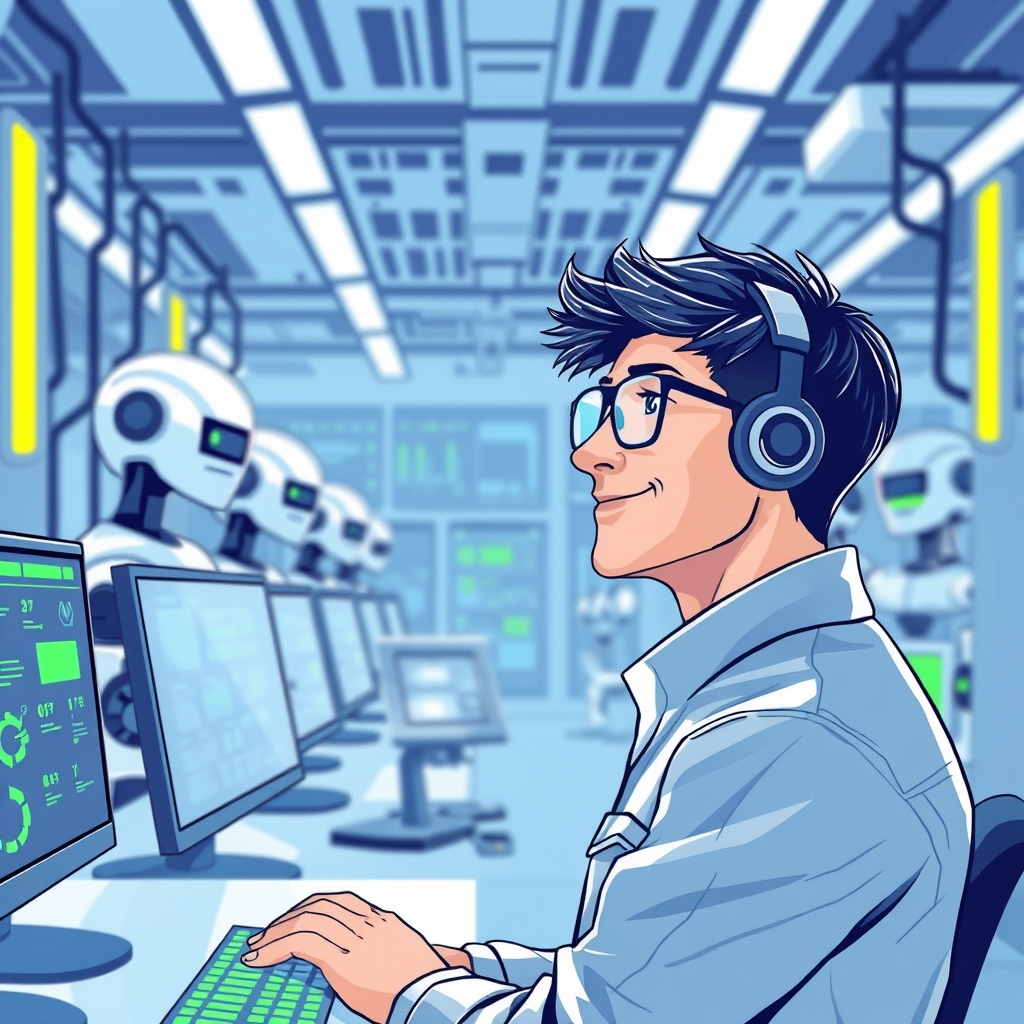
Revolutionizing Software Testing: AI in Software Testing and Quality Assurance
Introduction: The Rise of AI in Software Testing and Quality Assurance
The software testing and quality assurance landscape is undergoing a significant transformation with the advent of Artificial Intelligence (AI). AI in software testing and quality assurance is revolutionizing the way software engineers approach testing, enabling them to deliver high-quality software products faster and more efficiently. As the demand for digital transformation and software development continues to grow, the need for AI-driven software testing has become more pressing than ever.
In this blog post, we will delve into the current state of software testing and quality assurance, explore the benefits and limitations of traditional software testing methods, and discuss the role of AI tools for software testing in enhancing the testing process. We will also examine real-world examples and case studies of AI in software testing and quality assurance, and provide actionable insights and best practices for adopting AI-driven software testing in your organization.
Understanding the Current State of Software Testing and Quality Assurance
Traditional Software Testing Methods and Their Limitations
Traditional software testing methods, such as manual testing and scripted testing, have been widely used in the software development industry. However, these methods have several limitations, including being time-consuming, labor-intensive, and prone to human error. Moreover, the increasing complexity of software applications and the need for faster time-to-market have made traditional testing methods less effective.
The Need for AI-driven Software Testing and Quality Assurance
The need for AI-driven software testing arises from the limitations of traditional testing methods. AI in software testing and quality assurance can help automate testing processes, reducing the time and effort required for testing. Additionally, AI-powered testing tools can analyze large amounts of data, identify patterns, and detect defects more accurately than human testers.
AI Tools and Technologies for Software Testing and Quality Assurance
Machine Learning-based Software Testing Tools
Machine learning in software quality assurance is a key aspect of AI-driven software testing. Machine learning algorithms can be trained on large datasets to learn patterns and behaviors, enabling them to identify defects and anomalies in software applications. Some popular machine learning-based software testing tools include Applitools, Sauce Labs, and Testim.io.
Natural Language Processing in Software Quality Assurance
Natural Language Processing (NLP) is another important aspect of AI-driven software testing. NLP can be used to analyze and process human language, enabling testers to write test cases and scripts more efficiently. Additionally, NLP can be used to analyze user feedback and reviews, providing valuable insights for software development teams.
Real-world Examples and Case Studies of AI in Software Testing and Quality Assurance
Success Stories from the US Tech Industry
The US tech industry has been at the forefront of adopting AI in software testing and quality assurance. Companies like Google, Microsoft, and Amazon have successfully implemented AI-driven software testing in their development processes. For example, Google has used machine learning to automate testing of its Android operating system, reducing testing time by 50%.
Lessons Learned from India's Tech Ecosystem
India's tech ecosystem has also seen significant adoption of AI in software testing and quality assurance. Companies like Tata Consultancy Services (TCS) and Infosys have developed AI-powered testing tools and platforms, enabling them to deliver high-quality software products to their clients. For example, TCS has developed an AI-powered testing platform called ignio, which uses machine learning to automate testing and reduce defects.
Best Practices and Actionable Insights for Adopting AI in Software Testing and Quality Assurance
Strategies for Implementing AI-driven Software Testing
Implementing AI-driven software testing requires a strategic approach. Some best practices include starting small, focusing on high-risk areas, and using a combination of AI and human testing. Additionally, it's essential to have a clear understanding of the testing goals and objectives, as well as the data required to train AI algorithms.
Mitigating the Impact of Tech Layoffs on AI Adoption
The recent tech layoffs have raised concerns about the adoption of AI in software testing and quality assurance. However, with the right strategy and approach, organizations can mitigate the impact of layoffs and ensure successful adoption of AI-driven software testing AI-Driven Strategies for Quality Assurance. Some strategies include upskilling and reskilling existing employees, hiring AI experts, and partnering with AI vendors and service providers.
Future Outlook and Emerging Trends in AI-driven Software Engineering
Trends in AI Development and Machine Learning
The future of AI in software testing and quality assurance looks promising, with emerging trends like explainable AI and transfer learning gaining traction. Explainable AI enables developers to understand how AI algorithms make decisions, while transfer learning enables AI models to be applied to multiple domains and applications.
The Role of AI in the Startup Ecosystem
AI in software testing and quality assurance is also playing a crucial role in the startup ecosystem. Startups are leveraging AI-powered testing tools to develop and deliver high-quality software products quickly and efficiently. Additionally, AI is enabling startups to automate testing and reduce costs, enabling them to focus on innovation and growth.
How is AI transforming the software testing landscape?
" + "AI is revolutionizing software testing by automating repetitive tasks, improving test efficiency, and enhancing test coverage. With AI-powered tools, testers can now focus on high-value tasks that require human judgment, such as test strategy and risk analysis. As a result, AI in software testing and quality assurance is becoming increasingly popular.
" + "What are the benefits of using AI in software testing and quality assurance?
" + "The benefits of AI in software testing and quality assurance include reduced testing time, improved test accuracy, and enhanced test coverage. AI-powered tools can also help identify defects early in the development cycle, reducing the overall cost of testing. By leveraging AI, organizations can improve software quality and reduce time-to-market.
" + "Can AI replace human testers entirely?
" + "While AI can automate many testing tasks, it is not yet capable of replacing human testers entirely. Human testers bring a level of creativity, judgment, and expertise that AI-powered tools currently lack. Instead, AI can augment human testers, freeing them up to focus on high-value tasks that require human skills.
" + "How can organizations integrate AI into their existing testing processes?
" + "Organizations can integrate AI into their existing testing processes by starting small, with a pilot project or a specific testing scenario. They can also explore AI-powered testing tools and platforms that offer flexible integration options. By taking a phased approach, organizations can ensure a smooth transition to AI-powered testing.
" + "What are the challenges of implementing AI in software testing and quality assurance?
" + "The challenges of implementing AI in software testing and quality assurance include data quality issues, AI model bias, and the need for significant human investment in AI training and maintenance. Additionally, organizations may need to address cultural and organizational changes to effectively integrate AI into their testing processes.
" + "How can AI help improve software quality and reliability?
" + "AI can help improve software quality and reliability by identifying defects early in the development cycle, predicting software failures, and optimizing software performance. By leveraging AI-powered testing tools, organizations can reduce software defects, improve customer satisfaction, and enhance their overall brand reputation.
" + "What is the future of AI in software testing and quality assurance?
" + "The future of AI in software testing and quality assurance is bright, with continued advancements in AI technology, increased adoption by organizations, and expanded use cases. As AI becomes more sophisticated, we can expect to see even more innovative applications of AI in software testing and quality assurance.
" + "Conclusion: Summary of Key Takeaways and Next Steps for Software Engineers and Organizations
In conclusion, AI in software testing and quality assurance is transforming the software development industry. By adopting AI-driven software testing, organizations can deliver high-quality software products faster and more efficiently. As discussed in our guide to navigating the AI-driven software engineering landscape, it's essential for software engineers and organizations to stay up-to-date with the latest trends and technologies in AI-driven software testing.
Some key takeaways from this blog post include the importance of machine learning in software quality assurance, the role of NLP in software testing, and the need for a strategic approach to implementing AI-driven software testing. By following these best practices and staying informed about emerging trends, software engineers and organizations can ensure successful adoption of AI in software testing and quality assurance and stay ahead of the competition.