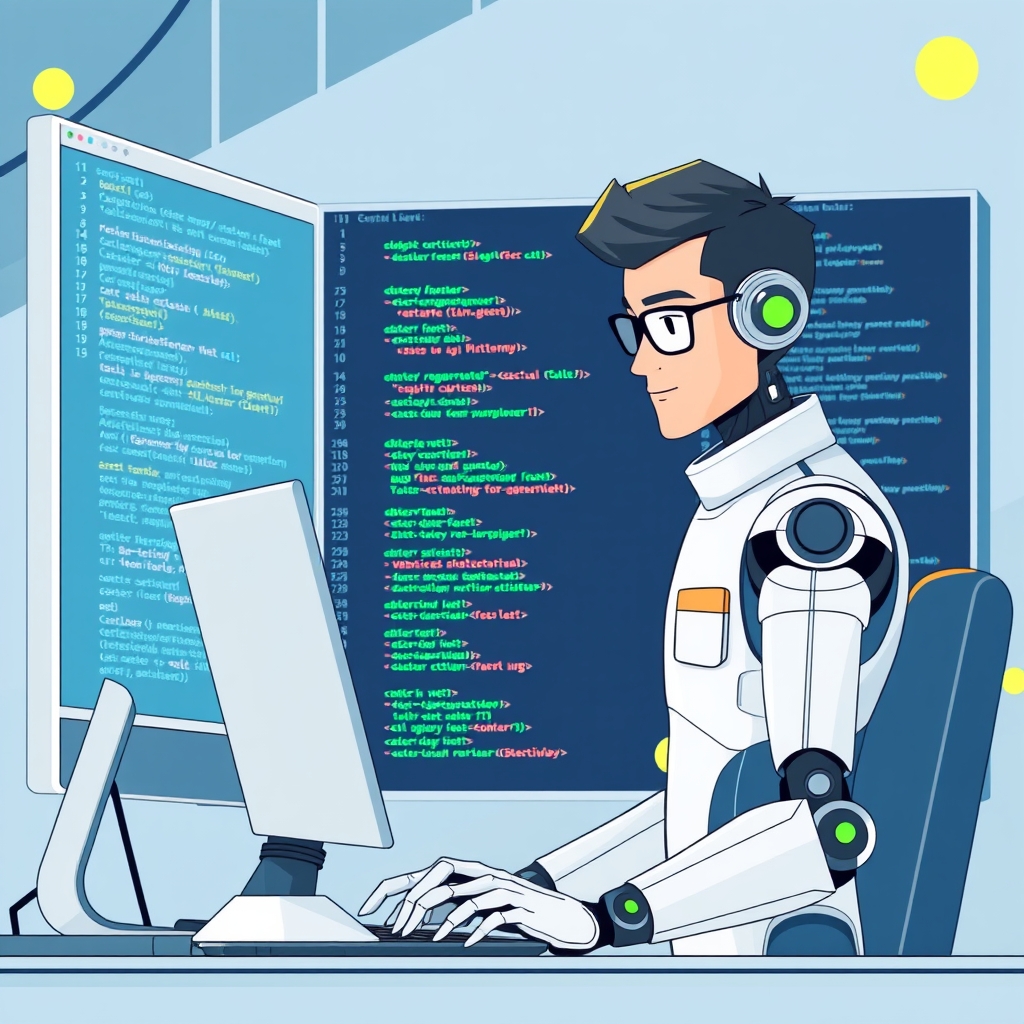
Navigating AI-Generated Content: Impact on Tech Industry
Navigating the Dark Web of AI: Understanding AI-Generated Content and its Impact
As we delve into the world Open AI technology of artificial intelligence, it's essential to understand the concept of AI-generated content and its impact on the tech industry. Understanding AI-Generated Content and its Impact is crucial for software engineers, as it can significantly alter the way we develop software. In this blog post, we'll explore the types of AI-generated content, its applications, benefits, and challenges, as well as provide best practices for using AI-generated content in software development.
What is AI-Generated Content and How Does it Impact the Tech Industry?
AI-generated content refers to any content created using artificial intelligence algorithms, such as machine learning and deep learning. This content can range from simple text generation to complex code development. The rise of AI-generated content has significant implications for the tech industry, particularly in software development.
Types of AI-Generated Content and its Applications
There are several types of AI-generated content, including:
- Text generation: AI algorithms can generate human-like text, such as articles, blog posts, and social media posts.
- Code development: AI can generate code snippets, entire programs, and even debug existing code.
- Image and video generation: AI can create realistic images and videos, such as special effects in movies and video games.
The Rise of AI-Generated Content in the Tech Industry
The use of AI-generated content is becoming increasingly prevalent in the tech industry. According to a recent survey, 70% of software engineers believe that AI-generated content will significantly impact the software development industry in the next five years. The rise of AI-generated content is driven by the need for increased efficiency, productivity, and innovation in software development.
Benefits and Challenges of AI-Generated Content
AI-generated content offers several benefits, including increased efficiency, improved accuracy, and enhanced creativity. However, it also poses significant challenges, such as job displacement, bias, and security risks.
Benefits of AI-Generated Content in Software Development
The benefits of AI-generated content in software development include:
- Increased efficiency: AI-generated content can automate repetitive tasks, such as coding and testing.
- Improved accuracy: AI algorithms can reduce errors and improve code quality.
- Enhanced creativity: AI can generate novel solutions and approaches to complex problems.
Challenges and Risks Associated with AI-Generated Content
The challenges and risks associated with AI-generated content include:
- Job displacement: AI-generated content may displace human jobs, particularly in software development.
- Bias: AI algorithms can perpetuate existing biases and prejudices.
- Security risks: AI-generated content can introduce security vulnerabilities and risks.
Best Practices for Using AI-Generated Content in Software Development
To mitigate the risks and maximize the benefits of AI-generated content, software engineers should follow best practices, such as:
How to Use AI-Generated Code Effectively
When using AI-generated code, software engineers should:
- Review and test: Thoroughly review and test AI-generated code to ensure accuracy and quality.
- Understand the limitations: Understand the limitations and constraints of AI-generated code.
- Use version control: Use version control systems to track changes and updates to AI-generated code.
Strategies for Mitigating the Risks of AI-Generated Content
To mitigate the risks of AI-generated content, software engineers should:
- Implement robust testing: Implement robust testing and validation procedures to ensure AI-generated content meets quality and security standards.
- Monitor and update: Continuously monitor and update AI-generated content to ensure it remains accurate and secure.
- Develop diversity and inclusion strategies: Develop diversity and inclusion strategies to mitigate bias and ensure AI-generated content is fair and representative.
Real-World Examples and Case Studies of AI-Generated Content
Several companies and organizations have successfully implemented AI-generated content in software development. For example:
Successful Applications of AI-Generated Content in the Tech Industry
Companies like Microsoft and Google have used AI-generated content to develop innovative software solutions, such as chatbots and virtual assistants.
Lessons Learned from the Challenges of AI-Generated Content
However, other companies have faced challenges and setbacks when implementing AI-generated content. For example, Tesla faced criticism for its use of AI-generated content in its autonomous driving systems.
What is AI-generated content, and how is it impacting us?
AI-generated content refers to text, images, or videos created using artificial intelligence algorithms. Its impact can be both beneficial, such as automating content creation, and detrimental, like spreading misinformation or deepfakes.
Why is it essential to understand the impact of AI-generated content on society?
Understanding the impact of AI-generated content is crucial as it can affect various aspects of our lives, including news consumption, advertising, and social interactions. By being aware of its implications, we can make informed decisions about how to use and interact with AI-generated content.
How can I identify AI-generated content, and what are the signs to look out for?
You can identify AI-generated content by looking for inconsistencies in tone, language, or style. Be cautious of content that seems too good to be true, has grammatical errors, or appears to be copied from another source.
What are the benefits of AI-generated content, and how can I use it effectively?
AI-generated content can be beneficial for businesses, creating high-quality content quickly and efficiently. It can also help individuals with disabilities or language barriers. To use it effectively, consider verifying the accuracy of the content and using it as a starting point for further research.
Can AI-generated content be used for malicious purposes, such as spreading misinformation or propaganda?
Yes, AI-generated content can be used for malicious purposes. As AI algorithms become more advanced, they can create convincing and sophisticated content that can be used to manipulate public opinion or spread misinformation. It's essential to be aware of these risks and take steps to verify the authenticity of the content.
What role does understanding AI-generated content and its impact play in maintaining online safety and security?
Understanding AI-generated content and its impact is crucial for maintaining online safety and security. By being aware of the potential risks and consequences of AI-generated content, we can take steps to protect ourselves and others from its negative effects.
How can I contribute to the development of more responsible and transparent AI-generated content practices?
You can contribute to responsible AI-generated content practices by promoting media literacy, supporting fact-checking initiatives, and encouraging developers to prioritize transparency and accountability in their AI algorithms.
Conclusion: Navigating the Dark Web of AI: Key Takeaways and Next Steps
In conclusion, understanding AI-generated content and its impact is crucial for software engineers and the tech industry as a whole. By following best practices, mitigating risks, and leveraging the benefits of AI-generated content, we can navigate the dark web of AI and thrive in the AI-powered tech industry. As discussed in our guide to Thriving in the AI-Powered Tech Industry: Tools, Trends, and Expert Insights, AI-generated content is just one aspect of the broader AI landscape. By staying informed, upskilling, and adapting to the changing landscape, we can ensure a bright future for software development and the tech industry.