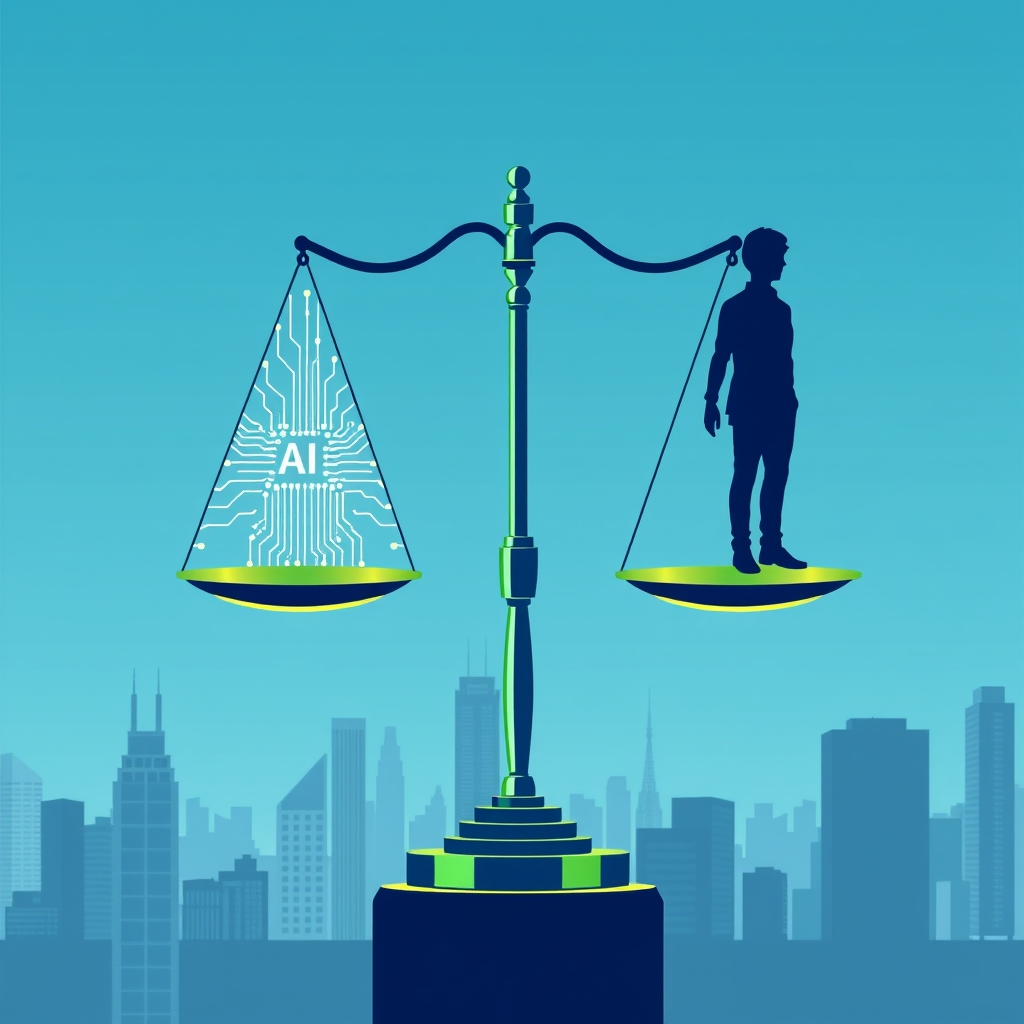
Navigating AI Decision-Making Ethics
Introduction
The integration of Artificial Intelligence (AI) in various sectors has led to significant advancements, but it also raises crucial questions about AI decision-making ethics. As AI systems become more autonomous, the need for transparent, accountable, and fair decision-making processes becomes increasingly important. In the US and Indian tech industries, AI tools ethics and artificial intelligence development best practices are being scrutinized to ensure that AI systems serve the greater good. This article delves into the complexities of AI decision-making ethics, exploring the risks and benefits, challenges, best practices, and future trends in this critical area.
Understanding the Risks and Benefits of AI Decision-Making
The Importance of Accountability in AI Decision-Making
Accountability is a cornerstone of AI decision-making ethics. It refers to the ability to assign responsibility for the actions and decisions made by AI systems. Ensuring accountability involves implementing mechanisms for tracking decisions, understanding the reasoning behind them, and having processes in place for addressing errors or unethical outcomes. Software engineer AI professionals play a vital role in designing these accountability frameworks, leveraging machine learning ethics principles to guide their work.
The Role of Transparency in AI Development
Transparency in AI development is essential for building trust and ensuring that AI systems are aligned with human values. It involves making the decision-making processes of AI systems understandable and interpretable. AI development best practices include using techniques such as model explainability and feature attribution to provide insights into how AI models arrive at their decisions. This transparency is critical for identifying and addressing potential biases in AI systems, which is a key aspect of AI decision-making ethics.
Navigating the Challenges of AI Ethics in Software Development
Addressing Bias in AI Systems
Bias in AI systems is a significant challenge in AI decision-making ethics. It can lead to unfair outcomes and perpetuate existing social inequalities. Addressing bias requires a multifaceted approach that includes diverse and representative training data, regular auditing of AI systems for bias, and the implementation of debiasing techniques. AI tools ethics guidelines emphasize the importance of considering the potential impact of AI systems on different groups and ensuring that they are fair and equitable.
Implementing Fairness in AI Decision-Making
Implementing fairness in AI decision-making is a critical aspect of AI decision-making ethics. It involves ensuring that AI systems do not discriminate against certain groups and that their decisions are based on relevant factors. Fairness can be achieved through the use of fairness metrics and algorithms that are designed to minimize discrimination. Software engineer AI professionals must consider the ethical implications of their designs and strive to create AI systems that are fair, transparent, and accountable.
Best Practices for AI Development and Ethics in the US and Indian Tech Industries
Real-World Examples of AI Ethics in Practice
Several companies in the US and Indian tech industries are leading the way in AI decision-making ethics. For example, tech giants are investing in AI tools ethics research and development, focusing on creating more transparent and accountable AI systems. Additionally, there are numerous initiatives aimed at promoting AI development best practices and encouraging the responsible development of AI. These efforts demonstrate the commitment of the tech industry to addressing the ethical challenges associated with AI and ensuring that AI benefits society as a whole.
Strategies for Mitigating the Impact of AI on Tech Layoffs
The integration of AI in various sectors has raised concerns about tech layoffs and AI. While AI has the potential to automate certain jobs, it also creates new opportunities for employment and economic growth. To mitigate the negative impacts, companies can focus on upskilling and reskilling their workforce, preparing employees for roles that complement AI systems. Furthermore, investing in AI development that augments human capabilities rather than replacing them can help ensure that the benefits of AI are shared by all.
The Future of AI Decision-Making Ethics
Emerging Trends in AI Ethics
The field of AI decision-making ethics is rapidly evolving, with several emerging trends that are expected to shape the future of AI development. These include the development of more sophisticated AI systems that can explain their decisions, increased focus on human-centered AI design, and the establishment of regulatory frameworks to govern the development and deployment of AI. As the US tech industry AI trends continue to influence global practices, it is essential for software engineer AI professionals and policymakers to stay abreast of these developments and contribute to the creation of ethical AI systems.
The Role of Regulation in AI Development
Regulation will play a crucial role in shaping the future of AI decision-making ethics. Governments and regulatory bodies are beginning to develop guidelines and laws that govern the development and use of AI, with a focus on ensuring that AI systems are transparent, accountable, and fair. AI development best practices will be influenced by these regulatory frameworks, and companies will need to adapt their AI development processes to comply with new laws and guidelines. This regulatory environment will help promote the responsible development of AI and mitigate the risks associated with AI systems.
What are the key considerations for AI decision-making ethics?
When developing AI systems, it's essential to prioritize transparency, accountability, and fairness in decision-making processes. This involves ensuring that AI models are explainable, unbiased, and free from discriminatory outcomes. By doing so, organizations can build trust with their users and maintain a positive reputation.
How can AI decision-making ethics be ensured in autonomous systems?
To ensure AI decision-making ethics in autonomous systems, organizations should implement robust testing and validation procedures. This includes simulating various scenarios, identifying potential biases, and refining the AI model to produce more accurate and fair outcomes. Regular audits and updates can also help maintain the integrity of AI decision-making processes.
What role do AI tools ethics play in the development of AI decision-making systems?
AI tools ethics refer to the guidelines and principles that govern the design, deployment, and maintenance of AI systems. By prioritizing AI tools ethics, developers can create systems that align with human values, respect user autonomy, and minimize harm. This, in turn, helps ensure that AI decision-making systems are transparent, accountable, and fair.
Can AI decision-making ethics be compromised by biases in AI training data?
Yes, biases in AI training data can compromise AI decision-making ethics. If AI systems are trained on biased or incomplete data, they may learn to replicate these biases, leading to unfair or discriminatory outcomes. Therefore, it's crucial to address biases in AI training data through diverse and representative data sets, as well as regular audits and updates.
What are the consequences of neglecting AI decision-making ethics in AI development?
Neglecting AI decision-making ethics can have severe consequences, including reputational damage, financial losses, and erosion of user trust. Moreover, it can lead to regulatory scrutiny, fines, or even lawsuits. By prioritizing AI decision-making ethics, organizations can mitigate these risks and maintain a positive reputation.
How can AI decision-making ethics be promoted in the US and Indian tech industries?
To promote AI decision-making ethics in the US and Indian tech industries, organizations should develop and implement robust ethics frameworks, invest in AI education and training, and establish industry-wide standards for AI development and deployment. By working together, these industries can ensure that AI decision-making systems are transparent, accountable, and fair.
What are some best practices for ensuring AI decision-making ethics in AI development?
Some best practices for ensuring AI decision-making ethics in AI development include transparency, explainability, and accountability. Organizations should also prioritize fairness, non-discrimination, and respect for user autonomy. By following these principles, developers can create AI systems that align with human values and promote positive outcomes.
Conclusion
In conclusion, navigating the ethics of AI decision-making is a complex but essential task for the tech industry. By understanding the risks and benefits of AI, addressing the challenges of bias and fairness, and adopting best practices for AI development, we can ensure that AI systems are used for the betterment of society. As we continue to thrive in the AI-driven tech landscape, it is crucial that we prioritize AI decision-making ethics and work towards creating AI systems that are transparent, accountable, and fair. By doing so, we can unlock the full potential of AI and create a future where technology enhances human life without compromising our values.