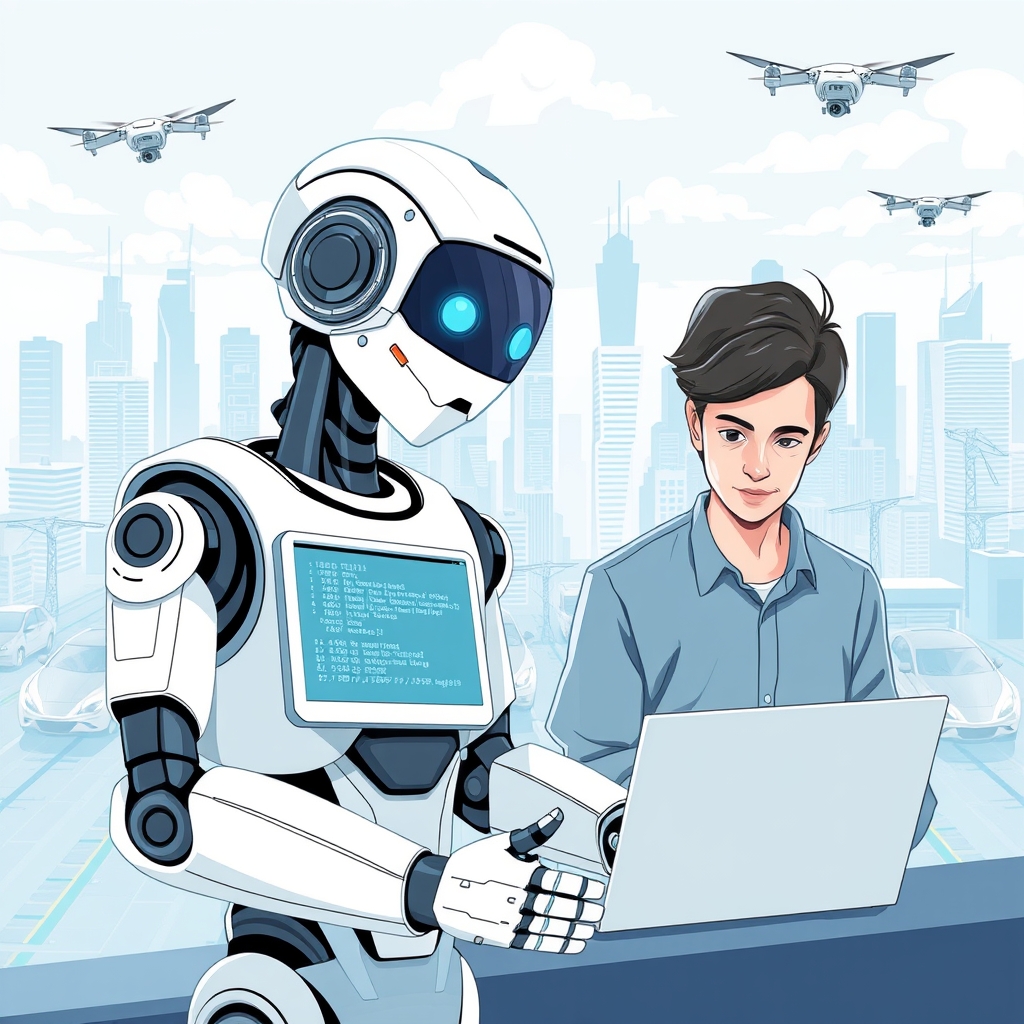
Mitigating AI Risks: Best Practices for AI Development
Introduction: Navigating the Complexities of AI and Mitigating its Risks and Biases
As the tech industry continues OpenAI's AI technology to evolve, mitigating AI risks and biases has become a critical aspect of ensuring the successful development and deployment of artificial intelligence (AI) systems. With the increasing use of AI tools and risks associated with them, it's essential to understand the complexities of AI and take proactive steps to mitigate its risks and biases. In this blog post, we'll explore the best practices for mitigating AI risks and biases, and provide actionable insights for software engineers and tech professionals in the United States and India.
Understanding AI-Related Risks and Biases
There are several types of AI-related risks and biases that can have significant consequences if not addressed. These include machine learning bias, data quality issues, and lack of transparency and accountability. Machine learning bias occurs when AI systems learn from biased data, leading to unfair outcomes. Data quality issues can arise from inaccuracies or inconsistencies in the data used to train AI models. Lack of transparency and accountability refers to the inability of users to understand how AI systems arrive at their decisions. To mitigate these risks, it's essential to implement robust testing and validation procedures, use diverse data sets, and prioritize transparency and explainability.
Best Practices for AI Development and Deployment
Implementing robust testing and validation procedures is critical to ensuring the successful development and deployment of AI systems. This can be achieved by using AI development risks assessment tools and implementing software development best practices. For example, using techniques such as model interpretability and feature importance can help identify and address potential biases and errors. Additionally, incorporating diverse data sets and using transparent and explainable AI models can help prevent tech layoffs by ensuring that AI systems are fair, reliable, and effective.
Mitigating AI-Related Risks in the US and India Tech Industries
Preventing tech layoffs is critical to ensuring the successful development and deployment of AI systems. This can be achieved by implementing AI development risks assessment tools and ensuring that AI systems are transparent and accountable. For example, software engineering best practices can help prevent tech layoffs by ensuring that AI systems are reliable and efficient. Additionally, developing skills for the AI-driven job market can help prevent job losses by ensuring that AI systems are fair, reliable, and effective.
Real-World Examples and Case Studies
There are several real-world examples of successful AI implementation and mitigation. For example, AI tools and risks can be mitigated by implementing robust testing and validation procedures. Additionally, software development best practices can help prevent tech layoffs by ensuring that AI systems are reliable and efficient. One notable example is the use of AI in healthcare, where AI systems have been used to improve diagnosis accuracy and reduce errors. However, there have also been instances of AI-related failures, such as the use of biased AI models in hiring decisions. These failures highlight the importance of prioritizing transparency and accountability in AI development and deployment.
Conclusion: Summary of Key Takeaways and Next Steps for Mitigating AI-Related Risks and Biases
In conclusion, mitigating AI risks and biases is critical to ensuring the successful development and deployment of AI systems. By implementing best practices for AI development and deployment, such as robust testing and validation, and ensuring transparency and accountability, software engineers and tech professionals can mitigate AI-related risks and biases. As discussed in our guide to thriving in the AI-driven tech industry, it's essential to develop skills for the AI-driven job market and prevent tech layoffs. By following these best practices and taking proactive steps to mitigate AI-related risks and biases, software engineers and tech professionals can ensure the successful development and deployment of AI systems and thrive in the AI-driven tech industry.