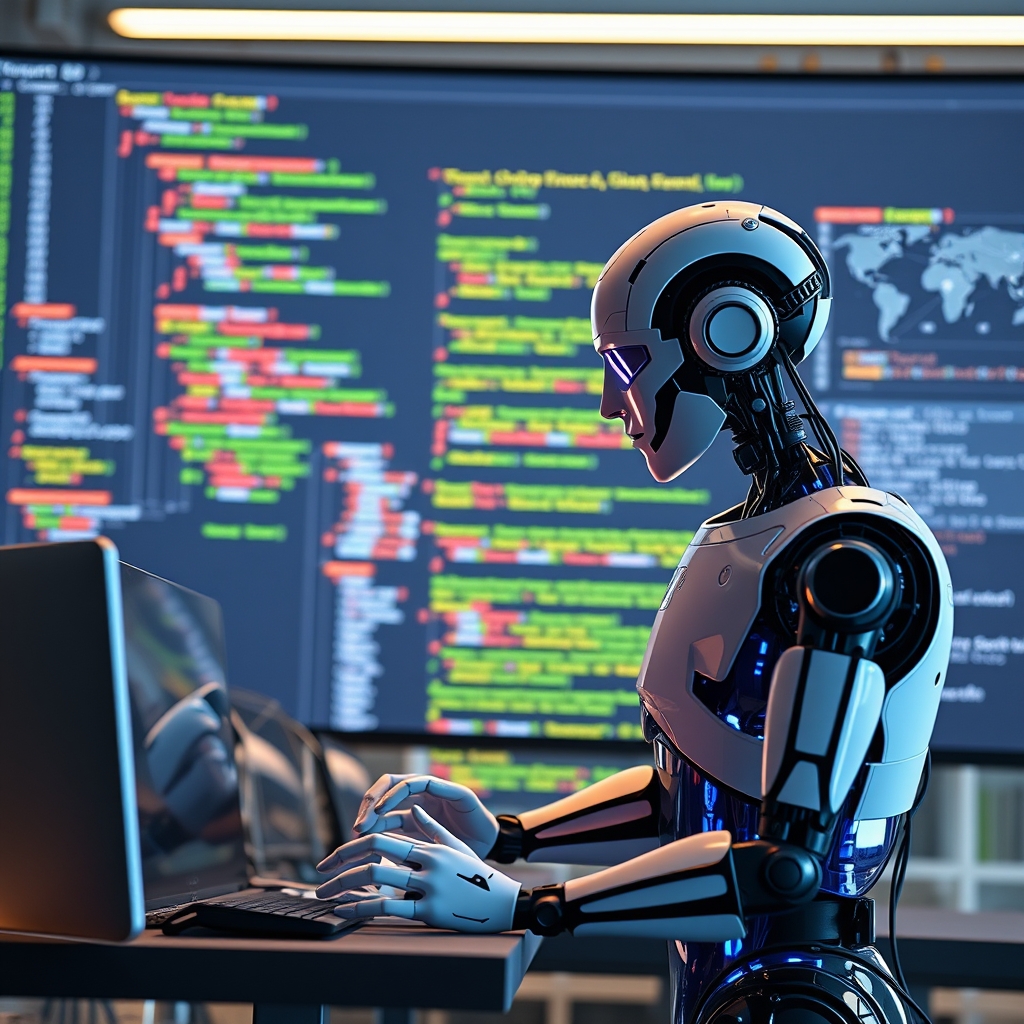
Mastering Human-AI Collaboration in Software Development: Strategies for Success
Introduction: Leveraging Human AI Collaboration in Software Development
As the software development landscape Azure cloud platform continues to evolve, the role of artificial intelligence (AI) is becoming increasingly prominent. With the rise of AI-driven software engineering, the need for human-AI collaboration has never been more pressing. By working together, humans and AI can unlock unprecedented levels of productivity, innovation, and efficiency in software development.
Understanding the Benefits of Human AI Collaboration
Overcoming Tech Layoffs and Industry Trends
The tech industry has witnessed a significant number of layoffs in recent years, with many companies downsizing their workforce to adapt to the changing market trends. However, human-AI collaboration can help mitigate the impact of layoffs by augmenting human capabilities with AI-driven tools. By automating routine tasks and focusing on high-value tasks that require human creativity and empathy, developers can maintain productivity levels even in the face of reduced workforce.
For instance, AI-powered tools can help with code review, bug detection, and even suggesting code improvements. This enables developers to focus on more complex tasks that require human expertise, such as system design, architecture, and decision-making.
Unlocking AI Development Process and Machine Learning
Machine learning is a crucial aspect of AI development, and human-AI collaboration can help unlock its full potential. By working together, humans and AI can develop more accurate and efficient machine learning models, leading to better software outcomes. For example, AI can help with data preprocessing, feature engineering, and model selection, while humans can focus on model interpretation, validation, and deployment.
Moreover, human-AI collaboration can help address the bias and fairness issues that are inherent in machine learning models. By incorporating diverse perspectives and expertise, humans and AI can develop more inclusive and equitable machine learning models that benefit a broader range of users.
Strategies for Successful Human AI Collaboration
Implementing AI Tools and Software Engineering
One of the key strategies for successful human-AI collaboration is to implement AI-powered tools that augment human capabilities. This can include tools for code review, bug detection, and even suggesting code improvements. For example, GitHub's Code Review Assistant uses AI to analyze code and provide suggestions for improvement.
Another strategy is to incorporate AI-driven software engineering practices, such as continuous integration and continuous deployment (CI/CD). By automating routine tasks and focusing on high-value tasks that require human creativity and empathy, developers can maintain productivity levels even in the face of reduced workforce.
Fostering a Collaborative Tech Career Development Environment
Fostering a collaborative tech career development environment is critical for successful human-AI collaboration. This can include training programs that focus on AI-driven skills, such as machine learning and natural language processing. Additionally, companies can provide resources and support for developers to experiment with new technologies and tools.
For instance, Google's AI Platform offers a range of tools and resources for developers to build and deploy machine learning models. Similarly, Microsoft's Azure ML provides a cloud-based platform for building, training, and deploying machine learning models.
Real-World Examples and Case Studies of Human AI Collaboration
US Tech Industry Success Stories
The US tech industry has seen several success stories of human-AI collaboration. For example, IBM's Watson Health uses AI to analyze medical data and provide insights for healthcare professionals. Similarly, Amazon's Sumerian uses AI to create immersive and interactive experiences for customers.
Another example is Microsoft's AI-powered chatbot, Zo, which uses natural language processing to engage with customers and provide support. By incorporating human-AI collaboration, these companies have been able to unlock unprecedented levels of productivity, innovation, and efficiency in software development.
India Tech Industry Growth and AI Adoption
The Indian tech industry has also seen significant growth in AI adoption. For example, Infosys's AI-powered platform, Nia, uses machine learning to analyze data and provide insights for clients. Similarly, Wipro's AI-powered platform, Holmes, uses natural language processing to engage with customers and provide support.
Another example is Tata Consultancy Services' (TCS) AI-powered platform, Ignio, which uses machine learning to analyze data and provide insights for clients. By incorporating human-AI collaboration, these companies have been able to unlock unprecedented levels of productivity, innovation, and efficiency in software development.
Best Practices and Actionable Insights for Human AI Collaboration
Key Takeaways from Real-World Examples
One of the key takeaways from real-world examples of human-AI collaboration is the importance of implementing AI-powered tools that augment human capabilities. This can include tools for code review, bug detection, and even suggesting code improvements.
Another key takeaway is the need for fostering a collaborative tech career development environment. This can include training programs that focus on AI-driven skills, such as machine learning and natural language processing. Additionally, companies can provide resources and support for developers to experiment with new technologies and tools.
Implementing Human AI Collaboration in Software Development
To implement human-AI collaboration in software development, developers can start by identifying areas where AI can augment human capabilities. This can include tasks such as code review, bug detection, and even suggesting code improvements.
Developers can then work with AI engineers to implement AI-powered tools that can automate these tasks. Additionally, developers can work with UX designers to create user interfaces that are intuitive and user-friendly, allowing developers to focus on high-value tasks that require human creativity and empathy.
What are the benefits of human-AI collaboration in software development?
Human-AI collaboration in software development can significantly improve efficiency, accuracy, and quality of code. By leveraging AI tools, developers can automate repetitive tasks, focus on high-level design, and create more robust solutions. This collaboration also enables teams to scale and adapt to changing project requirements.
How can I implement human-AI collaboration in my software development workflow?
To implement human-AI collaboration, start by identifying areas where AI tools can assist with tasks such as code review, testing, and debugging. Integrate AI-powered tools into your development environment and establish clear guidelines for collaboration. Regularly evaluate and refine your workflow to maximize the benefits of human-AI collaboration.
What are some common challenges associated with human-AI collaboration in software development?
Common challenges include ensuring data quality, managing AI bias, and addressing issues related to transparency and accountability. Additionally, teams may struggle to integrate AI tools seamlessly into their existing workflows or face concerns about job displacement. Addressing these challenges requires careful planning, communication, and training.
Can human-AI collaboration replace human developers in software development?
Human-AI collaboration is meant to augment human capabilities, not replace them. AI tools can automate routine tasks, freeing developers to focus on high-level design, creativity, and problem-solving. While AI can perform certain tasks more efficiently, human developers bring essential skills like empathy, critical thinking, and contextual understanding to software development.
What are some effective strategies for human-AI collaboration in software development?
Effective strategies include setting clear goals and expectations, establishing open communication channels, and fostering a culture of collaboration and experimentation. Regularly assessing and refining your workflow also helps ensure that human-AI collaboration is optimized for success.
How can I measure the success of human-AI collaboration in software development?
To measure success, track metrics like productivity, code quality, and team satisfaction. Regularly conduct surveys and feedback sessions to gauge the effectiveness of human-AI collaboration and identify areas for improvement. By continuously monitoring and refining your collaboration strategy, you can maximize the benefits of human-AI collaboration in software development.
What are some best practices for integrating human-AI collaboration into existing software development processes?
Best practices include starting small, piloting AI tools in specific areas, and gradually scaling up to more complex tasks. Ensure that all team members understand the benefits and limitations of human-AI collaboration and are trained to work effectively with AI tools. Regularly review and refine your integration strategy to ensure seamless collaboration.
Conclusion: Embracing Human AI Collaboration for Software Development Success
In conclusion, human-AI collaboration is a critical aspect of software development in the era of AI-driven software engineering. By working together, humans and AI can unlock unprecedented levels of productivity, innovation, and efficiency in software development.
By implementing AI-powered tools that augment human capabilities, fostering a collaborative tech career development environment, and embracing human-AI collaboration, developers can ensure software development success in the era of AI-driven software engineering.