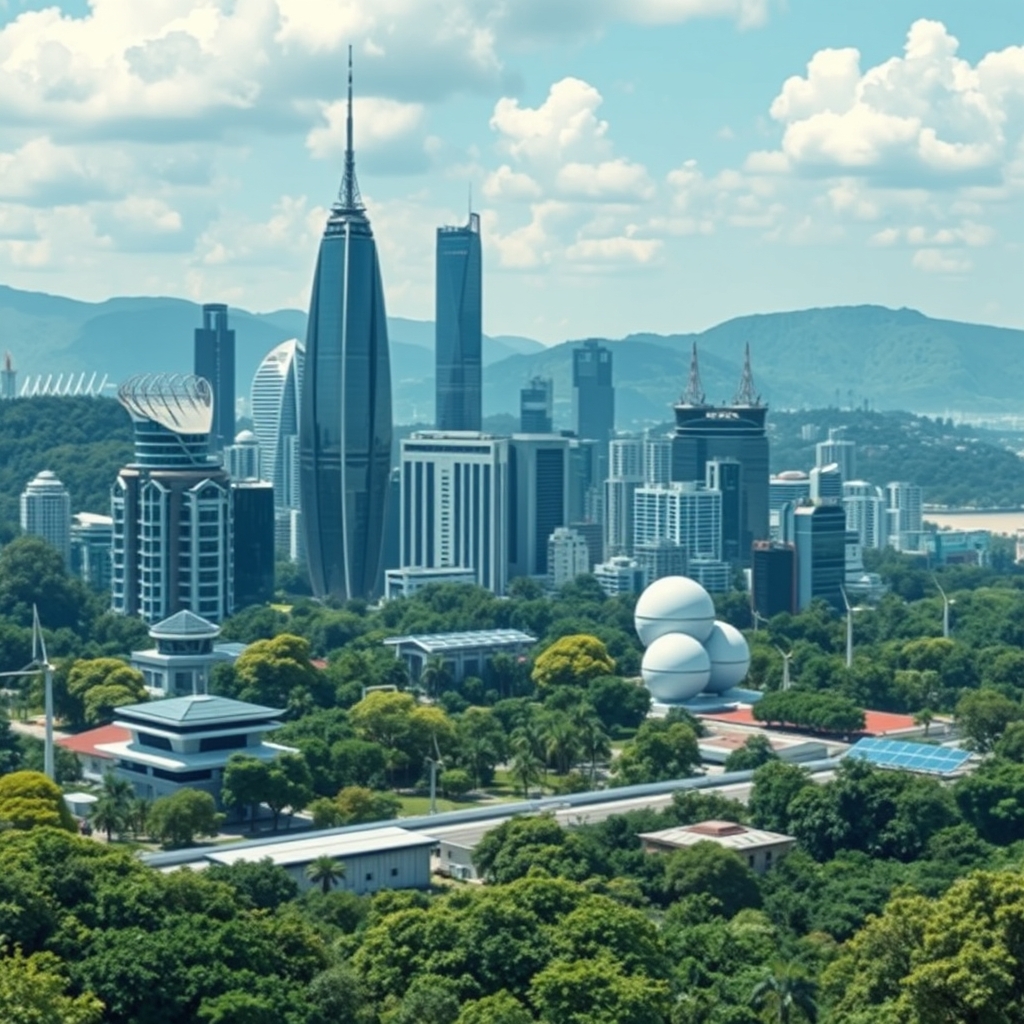
Innovation Hubs and Ecosystems: Where AI Meets Entrepreneurship, Driving Tech Industry Growth
What are Innovation Hubs and Ecosystems, and how do they relate to AI and entrepreneurship?
Innovation Hubs and Ecosystems are collaborative environments that bring together entrepreneurs, researchers, and industry experts to drive innovation and entrepreneurship, particularly in the realm of artificial intelligence (AI). These ecosystems foster a culture of experimentation, risk-taking, and knowledge-sharing, enabling the development of new AI-powered solutions and businesses.
How do Innovation Hubs and Ecosystems support the growth of AI-powered startups?
Innovation Hubs and Ecosystems provide AI-powered startups with access to resources, expertise, and networking opportunities, enabling them to accelerate their development and scale their businesses more effectively. These ecosystems often offer mentorship programs, funding opportunities, and co-working spaces, helping startups to overcome common challenges and achieve success.
What role do universities and research institutions play in Innovation Hubs and Ecosystems?
Universities and research institutions are key contributors to Innovation Hubs and Ecosystems, providing access to cutting-edge research, talent, and expertise in AI and related fields. They often collaborate with industry partners to develop new technologies, products, and services, and to train the next generation of AI professionals.
How can individuals and organizations get involved in Innovation Hubs and Ecosystems?
Individuals and organizations can get involved in Innovation Hubs and Ecosystems by attending events, workshops, and conferences; participating in hackathons and competitions; and engaging with ecosystem leaders, researchers, and entrepreneurs. They can also join online communities, forums, and social media groups to stay informed and connected.
What are some examples of successful Innovation Hubs and Ecosystems that are driving AI innovation?
Examples of successful Innovation Hubs and Ecosystems include Silicon Valley, the Boston AI Ecosystem, and the Singapore AI Ecosystem. These ecosystems have attracted significant investment, talent, and innovation, and have enabled the development of new AI-powered products, services, and businesses.
How can Innovation Hubs and Ecosystems address the challenges and risks associated with AI development?
Innovation Hubs and Ecosystems can address the challenges and risks associated with AI development by promoting responsible AI practices, ensuring diversity and inclusion, and fostering collaboration between industry, academia, and government. They can also provide resources and support for AI ethics, safety, and security, helping to mitigate potential risks and ensure that AI benefits society as a whole.