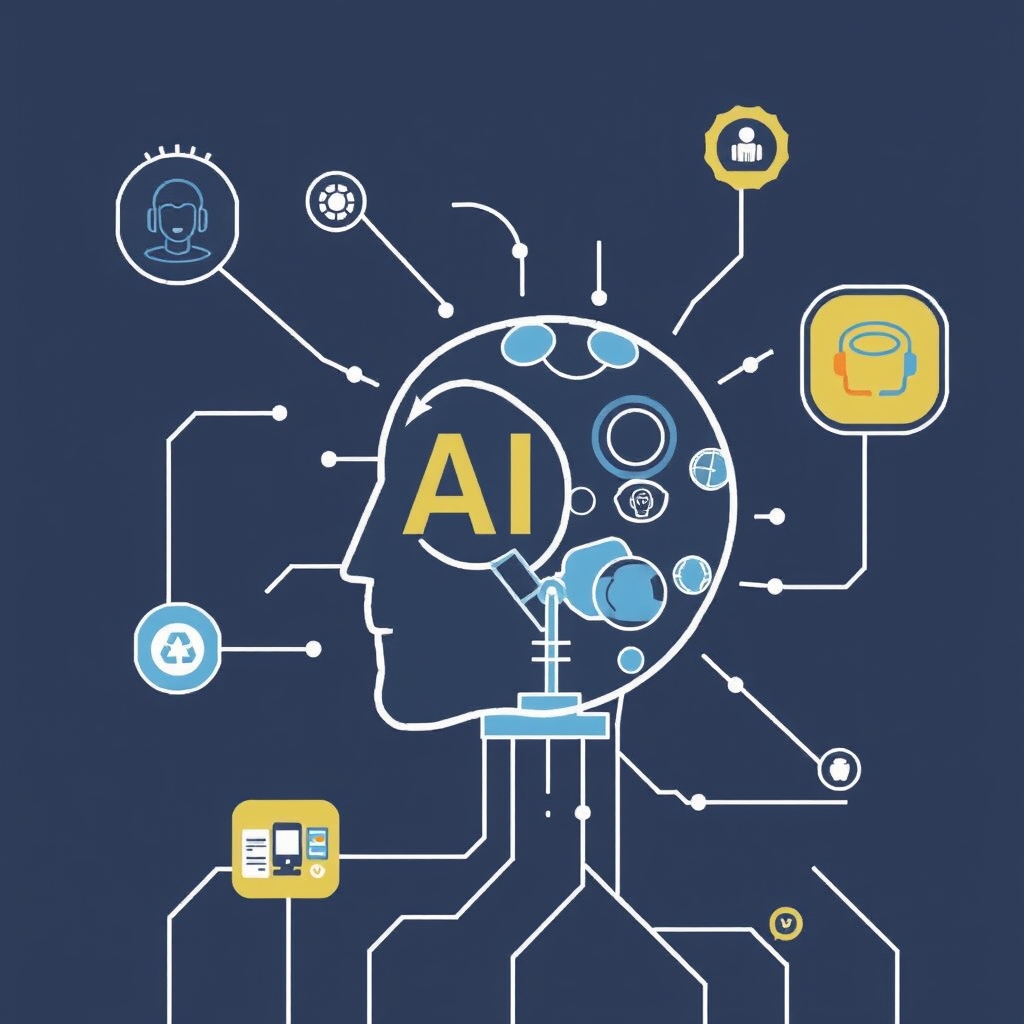
Humanizing AI with Emotional Intelligence: The Key to Unlocking AI Development
What is the significance of emotional intelligence in humanizing AI?
Emotional intelligence in AI refers to its ability to understand and interpret human emotions, enabling more empathetic and personalized interactions. This is crucial in humanizing AI, as it allows machines to respond in a way that is more relatable and engaging. By incorporating emotional intelligence, AI can create a stronger connection with users.
How can emotional intelligence help improve AI decision-making?
Emotional intelligence in AI enables it to consider the emotional context of a situation, leading to more informed and empathetic decision-making. This can result in better outcomes and more effective solutions. By accounting for human emotions, AI can develop a deeper understanding of the complexities involved.
What role does humanizing AI play in building trust with users?
Humanizing AI with emotional intelligence helps users feel more comfortable and confident in interacting with machines. When AI is designed to understand and respond to emotions, it can create a sense of trust and rapport, fostering more positive relationships between humans and technology.
Can AI truly understand human emotions, or is it just a simulation?
While AI can recognize and respond to emotional cues, it's still a complex issue to determine whether it truly understands human emotions. However, advancements in AI research have made significant progress in this area, allowing machines to better comprehend and replicate human emotional responses.
What are the benefits of incorporating emotional intelligence in AI development?
The benefits of incorporating emotional intelligence in AI development are numerous, including improved user experiences, increased trust, and more effective decision-making. By prioritizing emotional intelligence, developers can create AI systems that are more relatable, empathetic, and ultimately, more human-like.
How can humanizing AI with emotional intelligence be applied in real-world scenarios?
Humanizing AI with emotional intelligence can be applied in various real-world scenarios, such as customer service chatbots, mental health support systems, and even educational platforms. By tailoring AI interactions to individual emotional needs, developers can create more effective and engaging solutions.
What are the challenges of implementing emotional intelligence in AI systems?
Some challenges of implementing emotional intelligence in AI systems include the complexity of human emotions, the need for large amounts of training data, and the risk of misinterpreting emotional cues. However, these challenges also present opportunities for innovation and growth in the field of AI research.