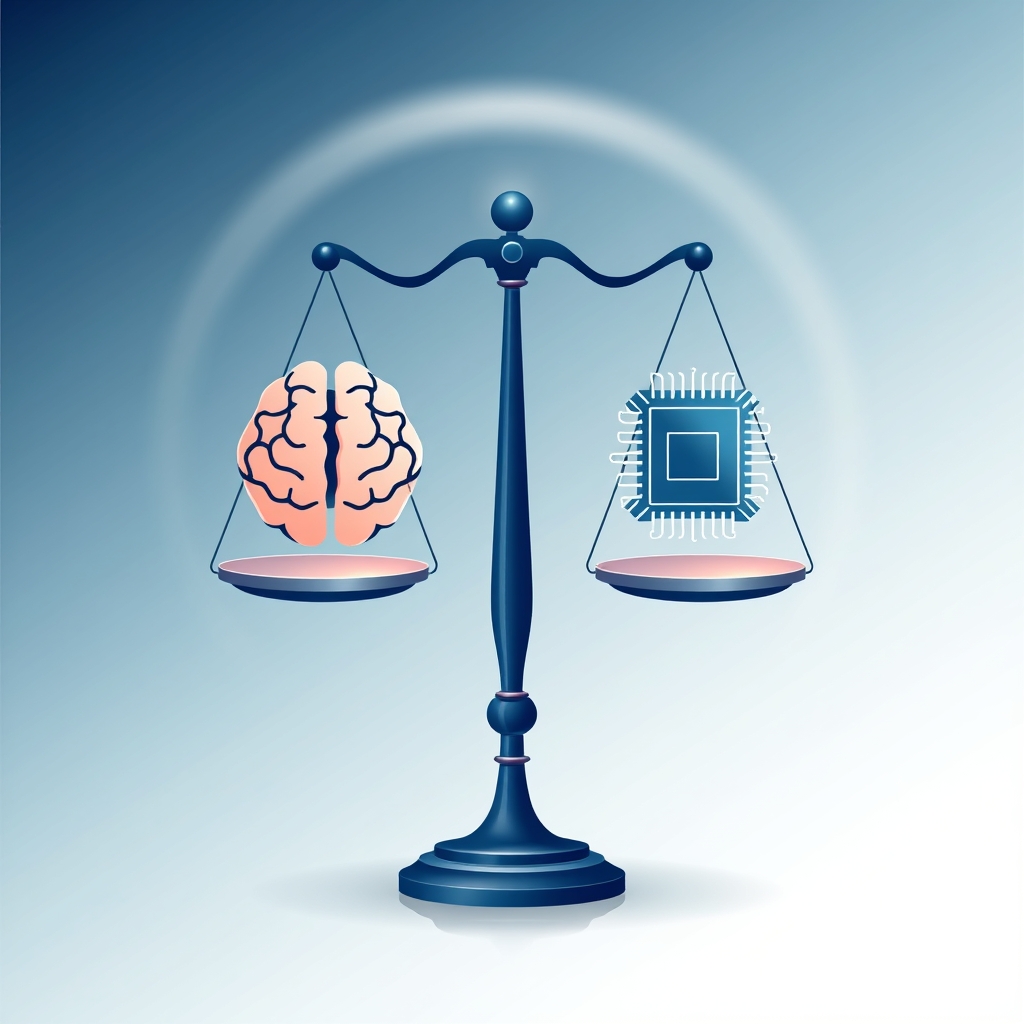
Ethics in AI-Driven Software Engineering: Navigating Bias, Transparency, and Accountability
The Growing Concerns Surrounding AI-Driven Software Engineering
In recent years, AI-driven Azure ML Platform software engineering has revolutionized the tech industry, enabling businesses to develop intelligent systems that can learn from data, make decisions, and interact with humans. However, as AI adoption grows, so do concerns surrounding bias, transparency, and accountability. Ensuring that AI systems are fair, transparent, and accountable is crucial for building trust and avoiding potential consequences.
Understanding Bias in AI Systems
Bias in AI systems can occur due to various factors, such as flawed data, algorithmic design, or societal prejudices. Understanding the types of bias that can occur in AI systems is essential for mitigating their impact.
Types of Bias in AI Systems
There are several types of bias that can occur in AI systems, including:
- Confirmation Bias: AI systems can perpetuate existing biases by only considering data that confirms their preconceptions.
- Selection Bias: AI systems can be biased if they are trained on data that is not representative of the population they are intended to serve.
- Anchoring Bias: AI systems can be influenced by initial assumptions or data points, leading to biased decisions.
Mitigating Bias in AI Development
To mitigate bias in AI development, it's essential to:
- Collect diverse and representative data: Ensure that the data used to train AI systems is diverse and representative of the population they are intended to serve.
- Use fairness metrics: Regularly evaluate AI systems using fairness metrics to identify and address bias.
- Implement debiasing techniques: Use debiasing techniques, such as data preprocessing and algorithmic modifications, to reduce bias in AI systems.
Transparency in AI Tools and Technologies
Transparency in AI tools and technologies is essential for building trust and accountability. Explainable AI (XAI) is a critical aspect of transparency, as it enables humans to understand AI decision-making processes.
Importance of Explainable AI (XAI)
XAI is essential for several reasons:
- Trust and accountability: XAI enables humans to understand AI decision-making processes, promoting trust and accountability.
- Error detection and correction: XAI helps detect and correct errors in AI decision-making.
- Improved decision-making: XAI enables humans to make more informed decisions by understanding the reasoning behind AI decisions.
Implementing Transparency in AI Decision-Making
To implement transparency in AI decision-making, consider the following strategies:
- Use XAI techniques: Implement XAI techniques, such as model interpretability and feature importance, to explain AI decision-making.
- Provide feedback mechanisms: Establish feedback mechanisms to enable humans to correct errors in AI decision-making.
- Communicate AI decisions: Clearly communicate AI decisions to stakeholders, ensuring they understand the reasoning behind the decisions.
Accountability in AI-Driven Software Engineering
Accountability in AI-driven software engineering is critical for ensuring that AI systems are responsible and transparent. Auditing and governance frameworks play a crucial role in promoting accountability.
Role of Auditing in AI Development
Auditing is essential for ensuring that AI systems are fair, transparent, and accountable. Regular auditing can help identify and address bias, errors, and other issues in AI systems.
- Conduct regular audits: Regularly conduct audits to identify and address bias, errors, and other issues in AI systems.
- Implement auditing frameworks: Establish auditing frameworks to ensure that AI systems are audited regularly.
- Provide audit results: Provide stakeholders with regular audit results, ensuring they are informed about the performance and accountability of AI systems.
Governance Frameworks for AI-Driven Software Engineering
Governance frameworks are essential for promoting accountability and responsibility in AI-driven software engineering. Establishing clear governance frameworks can help ensure that AI systems are developed and deployed in a responsible manner.
- Develop governance frameworks: Establish clear governance frameworks to ensure that AI systems are developed and deployed in a responsible manner.
- Implement compliance: Ensure that AI systems comply with established governance frameworks and regulatory requirements.
- Monitor AI systems: Regularly monitor AI systems to ensure they are performing as intended and identify potential issues.
Navigating the Complexities of AI Ethics in Software Engineering
Navigating the complexities of AI ethics in software engineering requires a deep understanding of the technical, social, and regulatory aspects of AI development. By adopting a holistic approach to AI ethics, software engineers can create responsible AI systems that benefit society.
By following the guidelines outlined in this article, software engineers can ensure that their AI systems are fair, transparent, and accountable. This requires a commitment to responsible AI development, transparent AI tools, and accountable AI decisions.
What are the key considerations when implementing AI-driven software engineering in a project?
When implementing AI-driven software engineering, it's essential to consider the ethics of AI-driven software engineering, including transparency, accountability, and bias. This involves ensuring that AI systems are designed and trained in a way that minimizes potential biases and promotes fairness. By doing so, developers can create more trustworthy and reliable AI-driven software.
How can developers ensure that AI-driven software engineering practices are fair and unbiased?
To ensure fairness and bias mitigation in AI-driven software engineering, developers should employ techniques such as data diversification, debiasing algorithms, and regular testing for bias. Additionally, they should establish clear guidelines and policies for AI system development and deployment. By taking these steps, developers can promote transparency and accountability in AI-driven software engineering.
What role does accountability play in AI-driven software engineering ethics?
Accountability is a crucial aspect of AI-driven software engineering ethics, as it ensures that developers and organizations take responsibility for the actions and decisions made by AI systems. This involves establishing clear accountability frameworks, conducting regular audits, and providing mechanisms for users to report and address any issues or concerns related to AI-driven software.
Can AI-driven software engineering replace human judgment and decision-making?
While AI-driven software engineering can automate many tasks, it is not yet capable of fully replacing human judgment and decision-making. AI systems are only as good as the data and algorithms used to train them, and they can perpetuate biases and inaccuracies if not properly designed and tested. Therefore, human oversight and review are still essential components of AI-driven software engineering.
What are the potential consequences of ignoring AI-driven software engineering ethics?
Ignoring AI-driven software engineering ethics can lead to significant consequences, including reputational damage, financial losses, and harm to individuals and communities. In extreme cases, it can even lead to regulatory action and legal liability. By prioritizing ethics and accountability in AI-driven software engineering, developers can mitigate these risks and create more trustworthy AI systems.
How can organizations ensure that their AI-driven software engineering practices align with industry standards and regulations?
To ensure alignment with industry standards and regulations, organizations should establish clear policies and guidelines for AI system development and deployment. They should also conduct regular audits and assessments to ensure that their AI-driven software engineering practices meet or exceed relevant standards and regulations. Additionally, they should engage with industry associations and regulatory bodies to stay informed about emerging standards and requirements.
What role can developers play in promoting transparency and accountability in AI-driven software engineering?
Developers can play a critical role in promoting transparency and accountability in AI-driven software engineering by designing and implementing AI systems that are transparent, explainable, and auditable. They should also communicate clearly with stakeholders about the capabilities and limitations of AI-driven software, and establish mechanisms for users to report and address any issues or concerns.