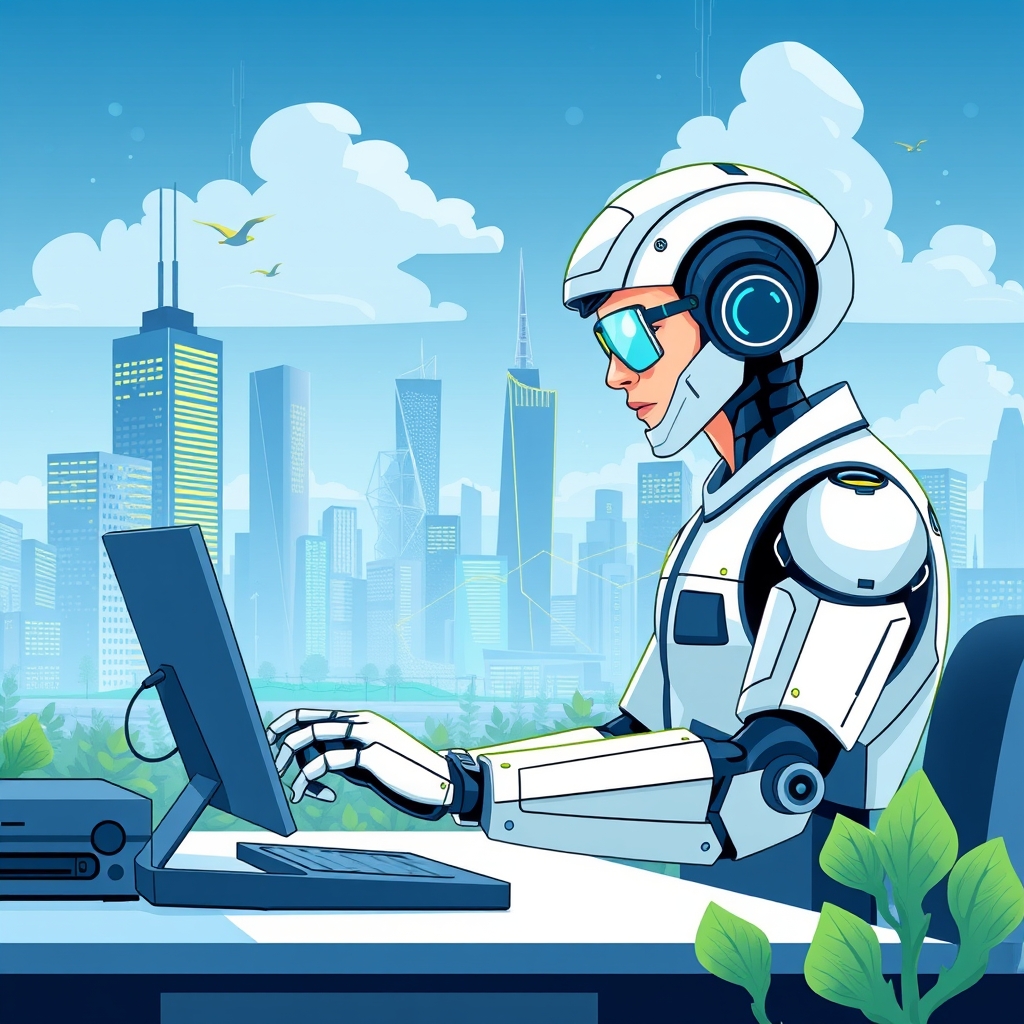
Embracing AI-Driven Change in the Workplace: A Guide for Software Engineers
Introduction: How AI is Revolutionizing the Workplace and What You Need to Know
As we navigate the complexities of the modern GitHub Collaboration Platform workplace, it's becoming increasingly clear that Embracing AI-Driven Change in the Workplace is no longer a choice, but a necessity. With the rapid evolution of artificial intelligence (AI) and machine learning (ML), the tech industry is undergoing a significant transformation. In this blog post, we'll explore the impact of AI on the tech industry, the benefits of embracing AI-driven change, and provide actionable insights for software engineers to thrive in this new era.
The Impact of AI on the Tech Industry
AI Adoption in the US vs India Tech Industry
The US and India are two of the largest tech hubs in the world, and both countries are witnessing a significant adoption of AI in the workplace. While the US tech industry is leading the charge in terms of AI research and development, India is quickly catching up. According to a report by NASSCOM, the Indian IT industry is expected to reach $350 billion by 2025, with AI and ML being key drivers of growth.
The Role of AI in Software Development
AI is revolutionizing the field of software development, enabling developers to build more efficient, scalable, and reliable software systems. With the help of AI-powered tools, developers can automate repetitive tasks, detect bugs, and improve code quality. For example, GitHub's Copilot is an AI-powered tool that helps developers write code faster and more accurately.
Benefits of Embracing AI-Driven Change
Increased Efficiency and Productivity
One of the primary benefits of embracing AI-driven change is increased efficiency and productivity. By automating routine tasks and providing actionable insights, AI can help software engineers focus on high-value tasks that require creativity and problem-solving skills. For instance, AI-powered project management tools can help developers prioritize tasks, allocate resources, and track progress more effectively.
Enhanced Decision Making with AI-Driven Insights
AI can also enhance decision making by providing data-driven insights that were previously unavailable. With the help of AI-powered analytics tools, developers can gain a deeper understanding of user behavior, identify trends, and make informed decisions. For example, Google Analytics uses AI to provide insights into user behavior, helping developers optimize their applications for better user experience.
Overcoming Challenges and Best Practices
Preparing for AI-Driven Change in the Workplace
To prepare for AI-driven change, software engineers need to develop new skills and adapt to new ways of working. This includes learning AI and ML fundamentals, as well as developing skills in areas like data science, cloud computing, and cybersecurity. For instance, Microsoft's AI School provides a comprehensive curriculum for developers to learn AI and ML fundamentals.
Strategies for Successful AI Adoption
Successful AI adoption requires a strategic approach that involves identifying business needs, developing a roadmap, and implementing AI solutions. Developers should focus on building AI-powered solutions that augment human capabilities, rather than replacing them. For example, IBM's Watson is an AI-powered platform that provides cognitive capabilities to augment human decision making.
Real-World Examples and Case Studies
AI Success Stories in the US Tech Industry
The US tech industry is home to many AI success stories, including companies like Google, Amazon, and Facebook. These companies have successfully adopted AI to improve their products and services, and have achieved significant benefits in terms of efficiency, productivity, and customer satisfaction. For instance, Google's AI-powered search engine provides personalized search results, improving user experience and driving engagement.
AI Success Stories in the India Tech Industry
India is also witnessing a growing number of AI success stories, including companies like Flipkart, Paytm, and Ola. These companies have adopted AI to improve their operations, customer service, and user experience. For example, Flipkart's AI-powered customer service provides personalized support, reducing customer complaints and improving satisfaction.
What are the key benefits of embracing AI-driven change in the workplace?
By embracing AI-driven change, organizations can enhance productivity, improve decision-making, and gain a competitive edge. This can lead to increased efficiency, reduced costs, and improved employee satisfaction. As technology continues to evolve, it's essential to stay ahead of the curve and adapt to the changing landscape.
How can employees adapt to the changing work environment brought about by AI?
To adapt to the changing work environment, employees should focus on developing skills that complement AI, such as creativity, critical thinking, and emotional intelligence. They should also be open to learning new technologies and processes, and be willing to take on new responsibilities. By doing so, employees can stay relevant and thrive in an AI-driven workplace.
What are the potential risks and challenges associated with AI-driven change in the workplace?
Some potential risks and challenges associated with AI-driven change include job displacement, bias in AI decision-making, and cybersecurity threats. To mitigate these risks, organizations should implement robust training programs, ensure transparent decision-making processes, and prioritize data security.
How can organizations ensure a smooth transition to an AI-driven workplace?
To ensure a smooth transition, organizations should develop a clear AI strategy, communicate effectively with employees, and provide training and support. They should also establish clear guidelines and protocols for AI implementation and monitoring, and be prepared to adapt to changing circumstances.
What role should leadership play in embracing AI-driven change in the workplace?
Leadership should play a key role in driving AI adoption, setting clear goals and expectations, and providing resources and support. They should also encourage a culture of innovation, experimentation, and continuous learning, and be willing to take calculated risks to stay ahead of the curve.
How can AI-driven change be used to improve employee experience and engagement?
AI-driven change can be used to improve employee experience and engagement by providing personalized learning and development opportunities, automating routine tasks, and enhancing communication and collaboration. By doing so, organizations can create a more positive and productive work environment, leading to increased employee satisfaction and retention.
What are the long-term implications of embracing AI-driven change in the workplace?
The long-term implications of embracing AI-driven change include increased productivity, improved decision-making, and enhanced competitiveness. As technology continues to evolve, organizations that adapt to the changing landscape will be better positioned to thrive in an AI-driven world, while those that resist change risk being left behind.
Conclusion: Embracing AI-Driven Change in the Workplace - A Roadmap for Success
In conclusion, Embracing AI-Driven Change in the Workplace is essential for software engineers to thrive in the era of AI-driven tech evolution. By understanding the impact of AI on the tech industry, embracing AI-driven change, and overcoming challenges, developers can stay ahead of the curve and achieve success in their careers. As discussed in our guide to Thriving in the Era of AI-Driven Tech Evolution, embracing AI-driven change is a key aspect of staying relevant in the modern workplace.