Building Secure Microservices: A Comprehensive Guide to OAuth 2.0
Building Secure Microservices: The Need for OAuth 2.0
In today's fast-paced and ever-evolving tech landscape, building secure microservices has become a critical aspect of software development. With the rise of microservices architecture, applications are becoming increasingly complex, making it challenging to ensure security. One of the most effective ways to achieve this is by implementing OAuth 2.0, an industry-standard authorization framework. In this comprehensive guide, we will explore the importance of building secure microservices and delve into the world of OAuth 2.0.
What are Microservices?
Microservices is an architectural style that structures an application as a collection of small, independent services. Each service is designed to perform a specific function and communicates with other services using lightweight protocols. This approach allows for greater flexibility, scalability, and maintainability, making it an increasingly popular choice for modern software development.
Why is Building Secure Microservices Essential?
As microservices architecture gains traction, security becomes a significant concern. With multiple services communicating with each other, the attack surface expands, making it easier for malicious actors to exploit vulnerabilities. Building secure microservices is crucial to prevent data breaches, unauthorized access, and other security threats. OAuth 2.0 is an essential tool in this endeavor, providing a robust and flexible framework for authentication and authorization.
Understanding OAuth 2.0
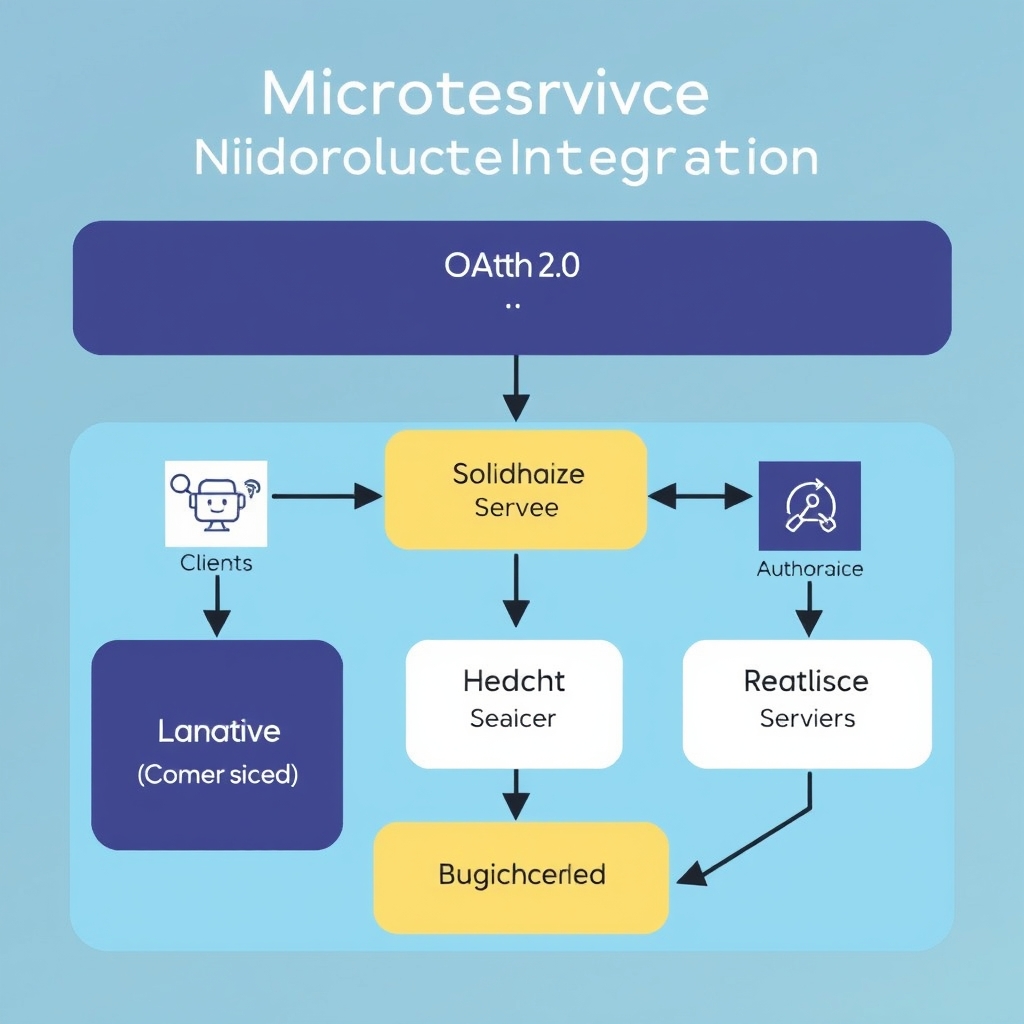
OAuth 2.0 is an authorization framework that enables secure, delegated access to resources. It provides a standardized way for clients to obtain access tokens, which are used to authenticate and authorize requests to protected resources. OAuth 2.0 consists of four roles: clients, servers, authorization servers, and resource servers. Each role has specific responsibilities, ensuring a secure and scalable authentication and authorization process.
OAuth 2.0 Roles
Here's a brief overview of each role:
- Clients: Applications that request access to protected resources.
- Servers: Applications that provide access to protected resources.
- Authorization Servers: Applications that handle authorization requests and issue access tokens.
- Resource Servers: Applications that provide access to protected resources.
OAuth 2.0 Grant Types
OAuth 2.0 supports various grant types, each serving a specific purpose:
- Authorization Code Grant: Used for web applications to obtain access tokens.
- Implicit Grant: Used for clients that cannot store access tokens securely.
- Resource Owner Password Credentials Grant: Used for clients that can store passwords securely.
- Client Credentials Grant: Used for clients to obtain access tokens without user interaction.
- Refresh Token Grant: Used to obtain new access tokens when the existing ones expire.
Implementing OAuth 2.0 in Microservices
Integrating OAuth 2.0 into microservices architecture requires careful planning and execution. Here's a high-level overview of the process:
- Choose an OAuth 2.0 Library: Select a suitable library for your programming language and development framework.
- Configure the Authorization Server: Set up the authorization server to handle authentication and authorization requests.
- Implement the Resource Server: Configure the resource server to provide access to protected resources.
- Integrate OAuth 2.0 into Clients: Implement OAuth 2.0 in clients to request access tokens and authenticate requests.
Real-World Use Cases and Scenarios
OAuth 2.0 is widely used in various industries and applications. Here are a few real-world use cases and scenarios:
- Social Media Integration: OAuth 2.0 enables users to log in to third-party applications using their social media credentials.
- API Security: OAuth 2.0 provides a standardized way to secure APIs and protect sensitive data.
- Single Sign-On (SSO): OAuth 2.0 enables users to access multiple applications with a single set of credentials.
Best Practices for Building Secure Microservices
Building secure microservices requires careful planning and execution. Here are some best practices to keep in mind:
- Use OAuth 2.0 for Authentication and Authorization: OAuth 2.0 provides a robust and flexible framework for authentication and authorization.
- Implement Secure Communication Protocols: Use secure communication protocols, such as HTTPS, to protect data in transit.
- Limit Access to Sensitive Data: Restrict access to sensitive data and ensure that only authorized applications can access it.
Conclusion
Building secure microservices is a critical aspect of software development. OAuth 2.0 is an essential tool in this endeavor, providing a robust and flexible framework for authentication and authorization. By understanding OAuth 2.0 and implementing it correctly, you can ensure the security and scalability of your microservices architecture. Remember to follow best practices and use OAuth 2.0 for authentication and authorization, implement secure communication protocols, and limit access to sensitive data.
Resources
Here are some additional resources to help you get started with OAuth 2.0 and building secure microservices:
- OAuth 2.0 Specification: The official OAuth 2.0 specification provides a comprehensive overview of the authorization framework.
- OAuth 2.0 Libraries: Choose a suitable library for your programming language and development framework.
- Security Best Practices: Follow best practices for building secure microservices and protecting sensitive data.