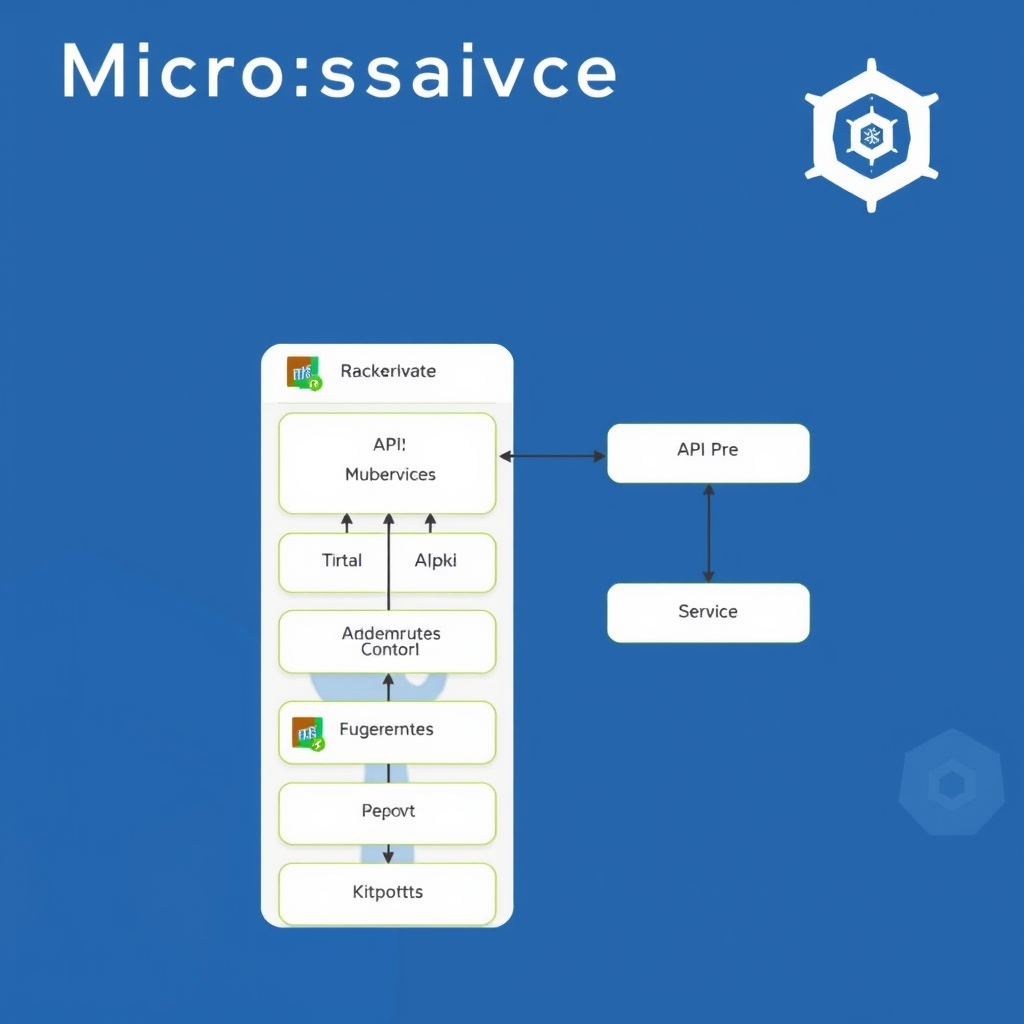
Building Microservices Architecture with Docker and Kubernetes: A Scalable Approach
What is Building Microservices Architecture?
In today's fast-paced digital landscape, software development teams are constantly seeking innovative ways to tackle complex systems. Building microservices architecture is a highly effective approach that involves breaking down intricate systems into smaller, independent services that communicate with each other seamlessly through Application Programming Interfaces (APIs). By adopting this approach, developers can leverage the benefits of microservices architecture, such as increased scalability, flexibility, and fault tolerance. However, implementing microservices architecture can be a daunting task, especially for those new to the field. To get started, it's essential to understand the purpose of microservices architecture and how it can be applied in real-world scenarios, like Microsoft's implementation. One popular resource for learning about microservices architecture is Claude AI, a comprehensive guide that offers a free subscription and a range of courses, including a free guide on building microservices and serverless architectures. Furthermore, books like 'Building Microservices Architecture' provide a thorough understanding of the subject, while Anthropic's guide offers valuable insights into the world of microservices.
Benefits of Building Microservices Architecture
There are several benefits to building microservices architecture. Some of the most significant advantages include:
- Scalability**: Microservices architecture makes it easier to scale individual services independently, which can help reduce latency and improve overall system performance.
- Flexibility**: With microservices architecture, it's easier to change or replace individual services without affecting the entire system.
- Maintainability**: Microservices architecture makes it easier to identify and fix issues in individual services, which can help reduce the time and effort required for maintenance.
Choosing the Right Tools for Building Microservices Architecture
When building microservices architecture, it's essential to choose the right tools for the job. Some popular tools for building microservices architecture include:
- Docker**: Docker is a containerization platform that allows developers to package and deploy applications in containers. This makes it easier to manage and deploy microservices.
- Kubernetes**: Kubernetes is a container orchestration platform that allows developers to automate the deployment, scaling, and management of containers. This makes it easier to manage and deploy microservices at scale.
- Kubernetes Operators**: Kubernetes operators are custom resources that allow developers to define and manage complex applications and services on Kubernetes. This makes it easier to manage and deploy microservices.
Building Microservices Architecture with Docker and Kubernetes
Building microservices architecture with Docker and Kubernetes involves several steps. Here's a high-level overview of the process:
- Design the Microservices Architecture**: Identify the individual services and their dependencies, and design the overall architecture of the system.
- Containerize the Services**: Use Docker to containerize each service, which makes it easier to manage and deploy the services.
- Deploy the Services**: Use Kubernetes to deploy the containerized services, which makes it easier to manage and scale the services at scale.
- Monitor and Maintain the Services**: Use Kubernetes operators and other tools to monitor and maintain the services, which makes it easier to identify and fix issues.
Example: Building a Simple Microservices Architecture with Docker and Kubernetes
Here's an example of how to build a simple microservices architecture with Docker and Kubernetes:
# Create a Dockerfile for the service
FROM python:3.9-slim

# Set the working directory to /app
WORKDIR /app

# Copy the requirements file
COPY requirements.txt .

# Install the dependencies
RUN pip install -r requirements.txt

# Copy the application code
COPY . .

# Expose the port
EXPOSE 5000

# Run the command to start the service
CMD ["python", "app.py"]
Example: Deploying the Service with Kubernetes
Here's an example of how to deploy the service with Kubernetes:
# Create a Kubernetes deployment YAML file
apiVersion: apps/v1
kind: Deployment
metadata:
  name: my-service
spec:
  replicas: 3
  selector:
    matchLabels:
      app: my-service
  template:
    metadata:
      labels:
        app: my-service
    spec:
      containers:
      - name: my-service
        image: my-service:latest
        ports:
        - containerPort: 5000
Best Practices for Building Microservices Architecture
Here are some best practices to keep in mind when building microservices architecture:
- Keep Services Independent**: Each service should be independent and not tightly coupled to other services.
- Use APIs for Communication**: Use APIs to communicate between services, which makes it easier to change or replace individual services.
- Monitor and Maintain Services**: Monitor and maintain services regularly to ensure they are running smoothly and efficiently.
Conclusion
Building microservices architecture with Docker and Kubernetes is a powerful approach to building scalable and maintainable systems. By following the best practices outlined in this article, you can create a robust microservices architecture that meets the needs of your organization.
Common Mistakes to Avoid
When building microservices architecture, one of the common mistakes is to over-engineer the system. This can lead to unnecessary complexity and increased maintenance costs. It's essential to strike a balance between simplicity and functionality. Additionally, avoid tightly coupling services, as this can make it challenging to scale individual components.
Another common mistake is to underestimate the importance of communication and coordination between services. Effective communication is crucial for ensuring seamless interactions between microservices. This includes implementing APIs, message queues, or event-driven architectures for reliable data exchange.
Lastly, don't neglect the testing and monitoring aspects of microservices architecture. With multiple services running independently, it can be challenging to identify issues and debug problems. Implementing robust testing frameworks and monitoring tools can help you identify and fix issues early on, reducing downtime and improving overall system reliability.