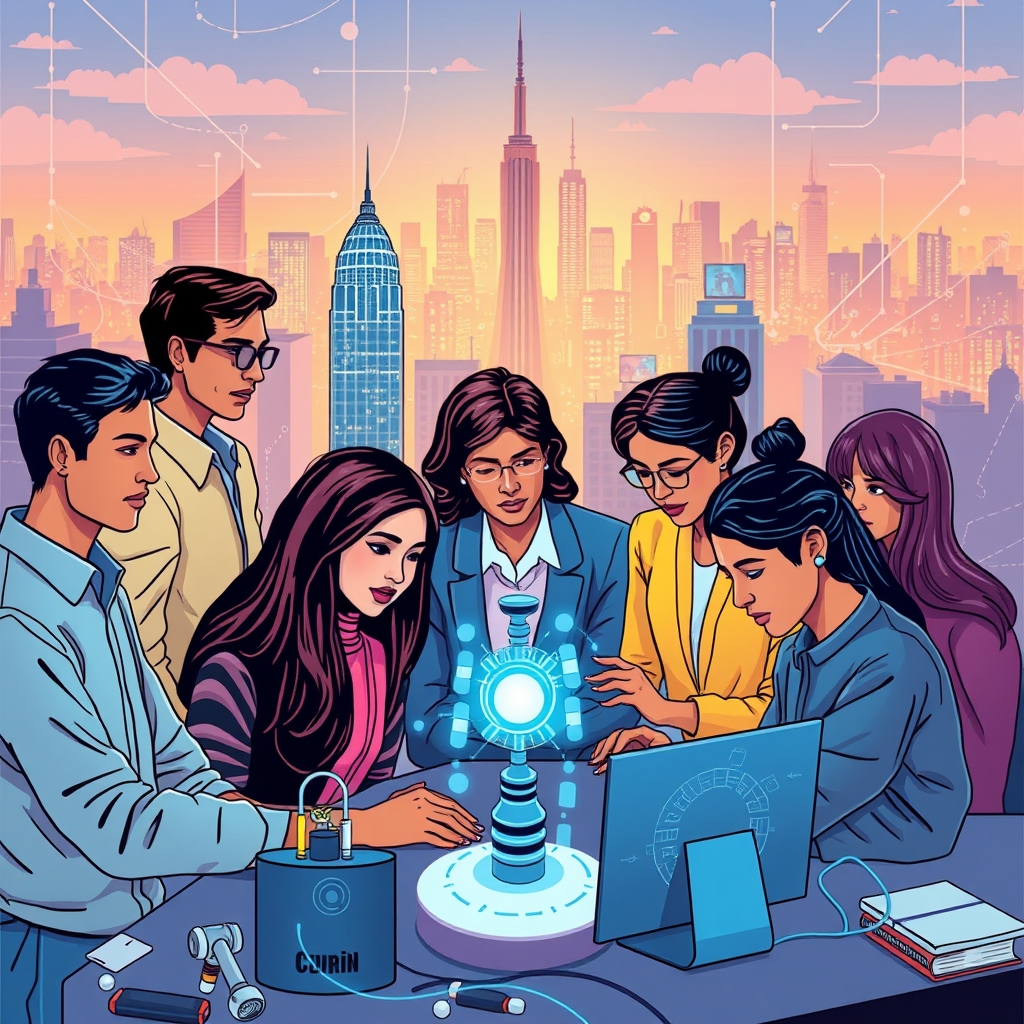
Building a Strong AI-Ready Workforce: Education and Training for Thriving in the US and Indian Tech Industries
Navigating the AI Revolution and Preparing the Workforce
As Artificial Intelligence (AI) AWS cloud services continues to transform the tech industry, it's becoming increasingly clear that the traditional workforce needs to adapt to stay relevant. In this article, we'll delve into the importance of building a strong AI-ready workforce through education and training, exploring the essential skills required, emerging career paths, and strategies for success.
Understanding the AI-Driven US and Indian Tech Industries
Impact of AI on Tech Jobs and Skills
The rise of AI has led to significant changes in the tech industry, with automation and machine learning replacing many routine tasks. As a result, the skills required for tech jobs are shifting, and professionals need to upskill to remain competitive. According to a report by McKinsey, up to 800 million jobs could be lost worldwide due to automation by 2030.
In the US and Indian tech industries, AI-driven jobs are becoming increasingly prevalent. Software engineers, data scientists, and AI developers are in high demand, with companies seeking professionals who can design, develop, and implement AI solutions.
Emerging AI-Driven Industries and Career Paths
As AI continues to advance, new industries and career paths are emerging. Some of the most exciting areas include:
- Healthcare: AI-powered diagnosis, personalized medicine, and medical research
- Finance: AI-driven trading, risk management, and customer service
- Transportation: Autonomous vehicles, routing optimization, and logistics management
- Education: AI-powered learning platforms, adaptive assessments, and student support
These emerging industries require professionals with skills in AI development, machine learning, data science, and software engineering.
Building a Strong AI-Ready Workforce through Education and Training
Essential Skills for AI Development and Machine Learning
To thrive in AI-driven industries, professionals need to acquire essential skills in AI development, machine learning, and data science. Some of the key skills include:
- Programming languages: Python, Java, C++, and R
- Machine learning frameworks: TensorFlow, PyTorch, and scikit-learn
- Data science tools: pandas, NumPy, and Matplotlib
- Cloud computing platforms: AWS, Azure, and Google Cloud
Professionals can acquire these skills through online courses, boot camps, and degree programs.
Training Programs and Courses for AI-Ready Professionals
Many institutions and organizations offer training programs and courses for AI-ready professionals. Some popular options include:
- Stanford University's AI for Everyone course
- MIT's Machine Learning course
- Google's Machine Learning Crash Course
- Microsoft's AI and Machine Learning course
These programs provide hands-on experience and practical knowledge to help professionals develop AI and machine learning skills.
Navigating the Challenges and Opportunities in AI-Driven Tech Industries
Managing Tech Layoffs and Upskilling Workforces
As AI continues to automate routine tasks, tech companies are facing the challenge of managing layoffs and upskilling their workforces. To mitigate this, companies need to invest in employee training and development programs that focus on AI and machine learning skills.
Some strategies for managing tech layoffs and upskilling workforces include:
- Upskilling current employees: Provide training and development programs to upskill current employees in AI and machine learning skills
- Talent acquisition: Recruit professionals with AI and machine learning skills to fill gaps in the workforce
- Outplacement support: Offer outplacement support to employees who are laid off, including resume-building, interview preparation, and career coaching
Strategies for Startup Success in AI-Driven Ecosystems
Startups in AI-driven ecosystems face unique challenges and opportunities. To succeed, they need to focus on building a strong AI-ready workforce and developing innovative AI solutions. Some strategies for startup success include:
- Building a strong AI-ready team: Hire professionals with AI and machine learning skills to build a strong team
- Innovative product development: Develop innovative AI solutions that meet the needs of customers and the market
- Partnerships and collaborations: Collaborate with other startups, research institutions, and industry partners to access expertise, funding, and resources
Case Studies and Real-World Examples of AI-Ready Workforces
Many companies have successfully implemented AI-ready workforces, achieving significant benefits. Some case studies and real-world examples include:
- Google's AI-powered customer support: Google has implemented AI-powered customer support, providing 24/7 support to customers
- Amazon's AI-driven supply chain management: Amazon has implemented AI-driven supply chain management, optimizing inventory levels and reducing costs
- Microsoft's AI-powered healthcare solutions: Microsoft has developed AI-powered healthcare solutions, improving patient outcomes and reducing costs
These case studies demonstrate the benefits of building an AI-ready workforce and highlight the importance of investing in AI education and training.
Best Practices and Actionable Insights for AI-Ready Workforce Development
To develop an AI-ready workforce, companies and institutions should follow best practices and actionable insights, including:
- Invest in employee training and development programs that focus on AI and machine learning skills
- Build a strong AI-ready team by hiring professionals with AI and machine learning skills
- Develop innovative AI solutions that meet the needs of customers and the market
- Collaborate with other startups, research institutions, and industry partners to access expertise, funding, and resources
By following these best practices and actionable insights, companies and institutions can develop an AI-ready workforce, driving innovation, growth, and success in the AI-driven US and Indian tech industries.
What is an AI-Ready Workforce and Why is it Important for Education and Training?
An AI-Ready Workforce refers to a group of individuals who possess the skills and knowledge necessary to thrive in an AI-driven economy. As AI continues to transform industries, it's essential for educators and trainers to provide programs that prepare workers for these changes, making them AI-ready. This enables workers to adapt quickly and efficiently to new technologies and workflows.
How Can Educational Institutions Incorporate AI into Their Curricula?
Educational institutions can incorporate AI into their curricula by offering courses and programs that focus on AI development, deployment, and management. This may include courses on machine learning, natural language processing, and data analytics. By doing so, students can gain a comprehensive understanding of AI and its applications, making them more competitive in the job market.
What Skills Are Essential for an AI-Ready Workforce, and How Can Employees Develop Them?
Some essential skills for an AI-Ready Workforce include data analysis, problem-solving, and creativity. Employees can develop these skills through online courses, workshops, and training programs that focus on AI and data-driven decision-making. By acquiring these skills, workers can stay ahead of the curve and remain competitive in an AI-driven economy.
What Role Does AI Play in Enhancing Employee Productivity and Efficiency?
AI can significantly enhance employee productivity and efficiency by automating routine tasks, streamlining workflows, and providing data-driven insights. By leveraging AI, employees can focus on high-value tasks that require creativity, problem-solving, and critical thinking, leading to increased productivity and efficiency.
How Can Organizations Ensure a Smooth Transition to an AI-Driven Workforce?
Organizations can ensure a smooth transition to an AI-driven workforce by providing training and development programs that focus on AI adoption. This may include workshops, online courses, and mentorship programs that equip employees with the necessary skills and knowledge to work effectively with AI systems.
What Are the Benefits of an AI-Ready Workforce for Businesses and Organizations?
An AI-Ready Workforce can bring numerous benefits to businesses and organizations, including increased productivity, improved efficiency, and enhanced competitiveness. By embracing AI and developing a workforce that is capable of working with these technologies, businesses can stay ahead of the curve and remain relevant in a rapidly changing economy.
How Can Governments and Policymakers Support the Development of an AI-Ready Workforce?
Governments and policymakers can support the development of an AI-Ready Workforce by investing in education and training programs that focus on AI development and deployment. This may include providing funding for research and development, establishing AI-related industries, and creating policies that encourage businesses to adopt AI technologies.
Conclusion: Preparing for a Future-Proof AI-Ready Workforce
In conclusion, building a strong AI-ready workforce is crucial for thriving in the AI-driven US and Indian tech industries. To prepare for the future, companies and institutions need to invest in AI education and training, focusing on essential skills, emerging career paths, and innovative AI solutions. By following best practices and actionable insights, we can develop a future-proof AI-ready workforce, driving innovation, growth, and success in the AI-driven tech industries.