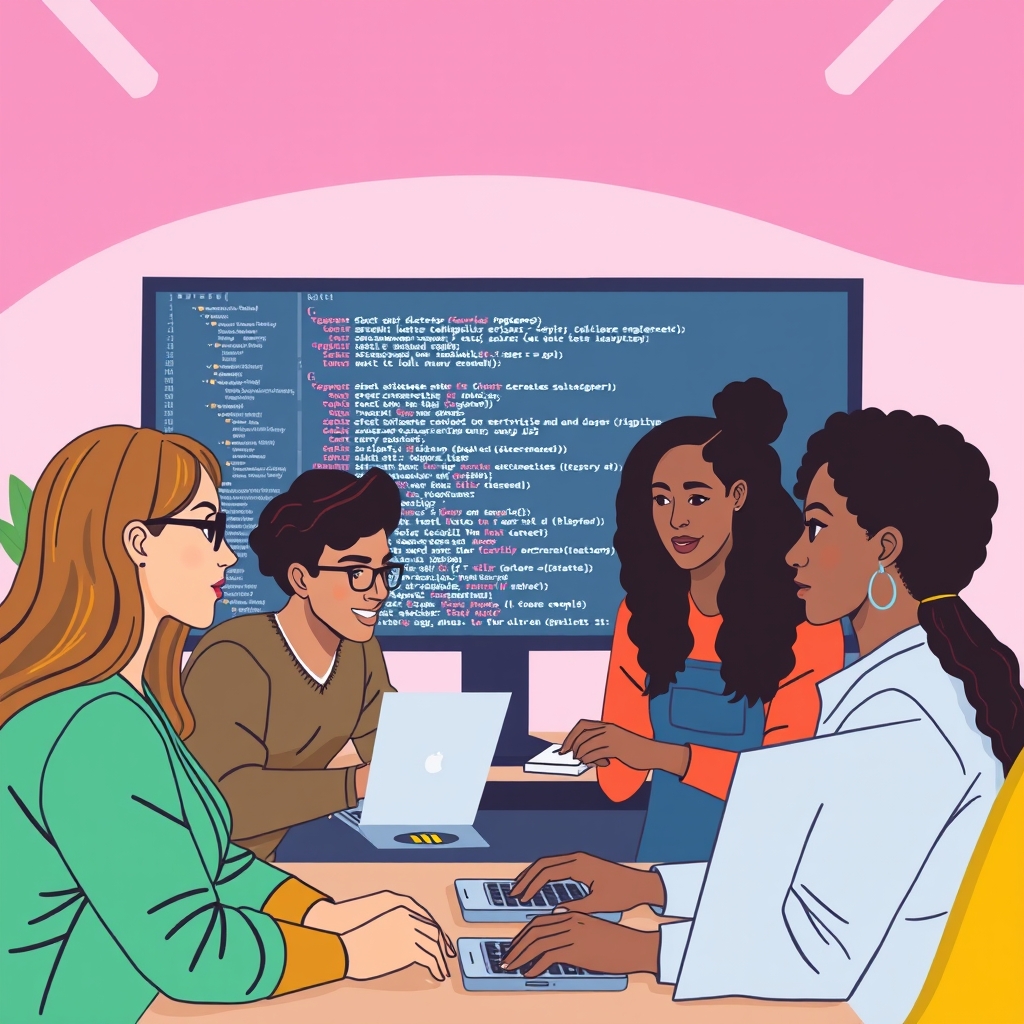
Boosting Diversity and Inclusion in US & Indian Tech with AI
The Rise of AI in the US and Indian Tech Industry and Its Impact on Workforce Diversity and Inclusion
The US and Indian tech industries are experiencing a significant transformation with the advent of Artificial Intelligence (AI). From AI-powered chatbots to machine learning algorithms, AI is revolutionizing the way software is developed, tested, and deployed. However, this shift is also raising concerns about the impact of AI on workforce diversity and inclusion. In this article, we will explore the current state of workforce diversity and inclusion in the US and Indian tech industries, the impact of AI on these issues, and best practices for implementing AI in a way that promotes diversity and inclusion.
The Current State of Workforce Diversity and Inclusion in the US and Indian Tech Industry
Diversity and Inclusion Challenges in the US Tech Industry
The US tech industry has been facing significant diversity and inclusion challenges. A report by Bloomberg found that in 2020, only 22% of tech jobs in the US were held by women, and only 9% were held by minorities. The lack of diversity in the tech industry has been attributed to various factors, including a lack of representation in education and a lack of inclusive hiring practices.
- According to a report by Glassdoor, the tech industry has one of the lowest diversity rates among all industries.
- A study by McKinsey found that companies with more diverse workforces are more likely to outperform their less diverse peers.
Diversity and Inclusion Challenges in the Indian Tech Industry
The Indian tech industry has also been facing significant diversity and inclusion challenges. A report by NASSCOM found that in 2020, only 15% of tech jobs in India were held by women, and only 5% were held by minorities. The lack of diversity in the Indian tech industry has been attributed to various factors, including a lack of representation in education and a lack of inclusive hiring practices.
- According to a report by LinkedIn, the Indian tech industry has one of the lowest diversity rates among all industries.
- A study by Deloitte found that companies with more diverse workforces in India are more likely to outperform their less diverse peers.
The Impact of AI on Workforce Diversity and Inclusion
How AI is Changing the Nature of Software Engineering Jobs
AI is transforming the nature of software engineering jobs, making them more complex and requiring more specialized skills. According to a report by Gartner, by 2025, AI will automate 30% of all software development tasks. This shift is raising concerns about the impact of AI on workforce diversity and inclusion, as many software engineering jobs may become obsolete.
import pandas as pd
from sklearn.model_selection import train_test_split
from sklearn.ensemble import RandomForestClassifier
# Example code snippet using scikit-learn library
AI's Role in Enhancing Diversity and Inclusion in the Tech Industry
AI can play a crucial role in enhancing diversity and inclusion in the tech industry. For example, AI-powered chatbots can help companies identify and address bias in their hiring processes. AI can also help companies identify and develop diverse talent pipelines, reducing the risk of bias in the hiring process.
Best Practices for Implementing AI in a Diverse and Inclusive Tech Industry
Strategies for Implementing AI in a Way That Promotes Diversity and Inclusion
There are several strategies that companies can use to implement AI in a way that promotes diversity and inclusion. These include:
- Using AI to identify and address bias in hiring processes
- Using AI to identify and develop diverse talent pipelines
- Using AI to provide blind hiring practices
Case Studies of Tech Companies That Have Successfully Implemented AI in a Diverse and Inclusive Way
There are several tech companies that have successfully implemented AI in a diverse and inclusive way. These companies include:
- Microsoft, which uses AI to identify and address bias in its hiring processes
- Google, which uses AI to identify and develop diverse talent pipelines
- Amazon, which uses AI to provide blind hiring practices
How is AI affecting workforce diversity and inclusion in the US and Indian tech industry?
The adoption of AI in the US and Indian tech industry is raising concerns about its impact on workforce diversity and inclusion. While AI can automate tasks and free up time for more strategic work, it can also exacerbate existing biases and create new ones if not designed and implemented thoughtfully. To promote diversity and inclusion, companies must prioritize inclusive design and implementation practices.
What are some of the diversity and inclusion challenges facing the US tech industry?
The US tech industry has been facing significant diversity and inclusion challenges, including a lack of representation in education and a lack of inclusive hiring practices. According to a report by Glassdoor, the tech industry has one of the lowest diversity rates among all industries. This can lead to a lack of diverse perspectives and ideas.
How can companies in the US and Indian tech industry promote diversity and inclusion in the workplace?
Companies can promote diversity and inclusion by implementing inclusive hiring practices, providing training and development opportunities, and creating a culture of inclusion. They can also use AI in a way that promotes diversity and inclusion, such as by using AI-powered tools to identify and address biases.
What is the current state of workforce diversity and inclusion in the US and Indian tech industry?
The US and Indian tech industry are facing significant diversity and inclusion challenges, including a lack of representation in education and a lack of inclusive hiring practices. According to reports by Bloomberg and NASSCOM, women and minorities are underrepresented in tech jobs in both countries.
Can AI help address the diversity and inclusion challenges facing the US and Indian tech industry?
Yes, AI can help address diversity and inclusion challenges by providing tools and technologies that can identify and address biases. However, this requires careful design and implementation to ensure that AI is used in a way that promotes diversity and inclusion.
How can companies measure the impact of AI on workforce diversity and inclusion?
Companies can measure the impact of AI on workforce diversity and inclusion by tracking metrics such as diversity and inclusion rates, employee engagement and satisfaction, and business outcomes. They can also use AI-powered tools to analyze data and identify areas for improvement.
What are some best practices for implementing AI in a way that promotes diversity and inclusion?
Best practices for implementing AI in a way that promotes diversity and inclusion include prioritizing inclusive design and implementation, using AI-powered tools to identify and address biases, and tracking metrics to measure impact. Companies should also prioritize diversity and inclusion in their hiring practices and workplace culture.
Conclusion
AI is transforming the US and Indian tech industries, and its impact on workforce diversity and inclusion is significant. While AI may change the nature of software engineering jobs, it can also be used to enhance diversity and inclusion in the tech industry. By implementing AI in a way that promotes diversity and inclusion, companies can reduce the risk of bias in hiring processes and create more inclusive workforces. This article has provided an overview of the current state of workforce diversity and inclusion in the US and Indian tech industries, the impact of AI on these issues, and best practices for implementing AI in a way that promotes diversity and inclusion.
This builds on our guide to Thriving in the AI-Driven US & India Tech Landscape, where we discuss the broader trends and challenges facing the tech industry.
For more information on how to implement AI in a way that promotes diversity and inclusion, please contact us at [insert contact information].