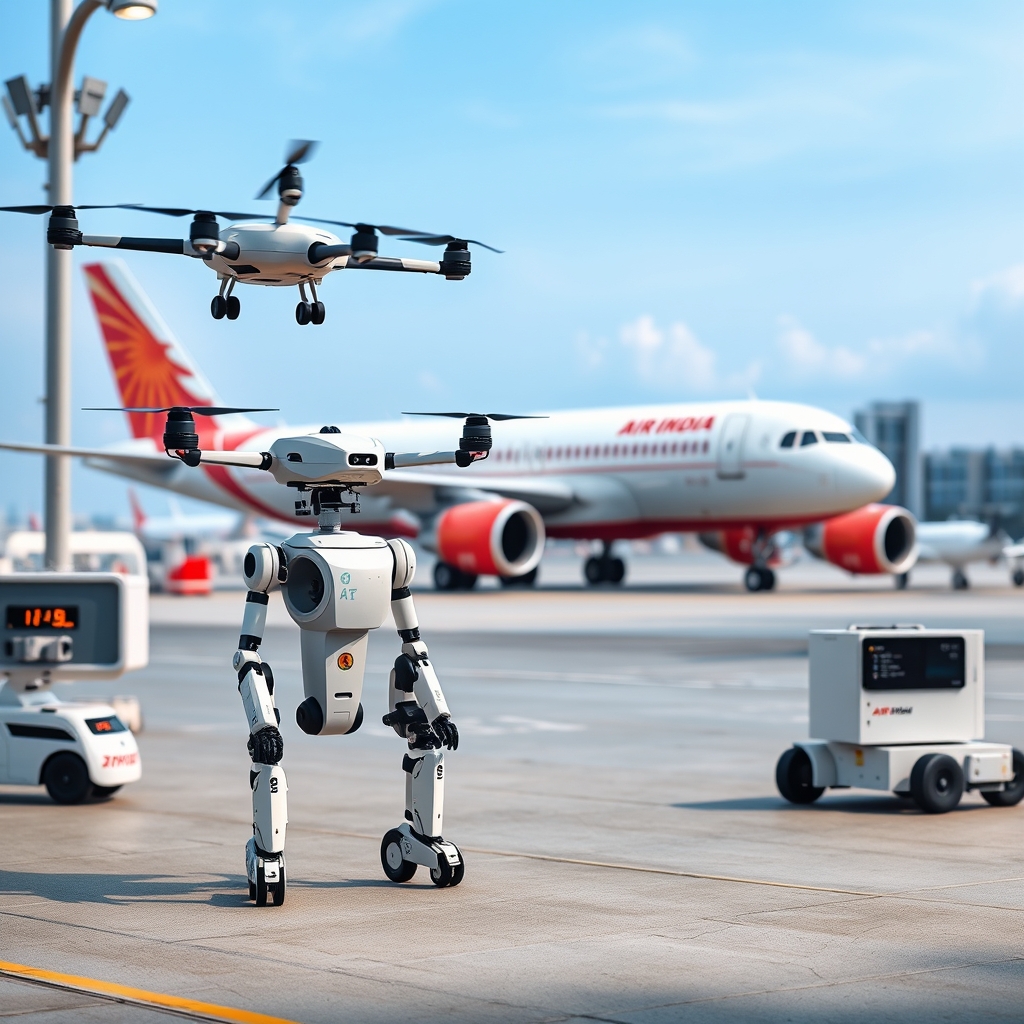
Air India's Role in Advancing AI Tools and Software Engineering: Unlocking India's Potential
Quick Answer
Air India is leveraging Artificial Intelligence (AI) tools and software engineering to enhance its operations and customer experience, showcasing India's potential in AI adoption.
The Rise of AI in India's Aviation and Tech Sectors
Artificial Intelligence (AI) OpenAI's AI technology has been transforming the aviation and tech sectors globally, and India is no exception. As AI adoption gains momentum, companies like Air India are at the forefront of leveraging AI tools and software engineering to drive innovation and efficiency. In this article, we'll explore Air India's role in advancing AI tools and software engineering, highlighting the benefits and challenges of AI adoption in India's tech sector.
What role does Air India play in advancing AI tools and software engineering?
Air India's significant investments in research and development have led to the creation of cutting-edge AI tools that enhance flight safety, passenger experience, and operational efficiency. By leveraging AI and software engineering, Air India aims to stay ahead in the competitive aviation industry. This strategic move positions Air India as a pioneer in adopting AI technologies.
How is Air India using AI to improve its passenger experience?
Air India is utilizing AI-powered chatbots and virtual assistants to provide personalized support to passengers, reducing wait times and enhancing overall satisfaction. Additionally, AI-driven predictive analytics help the airline optimize flight schedules, seat allocation, and in-flight services, resulting in a more seamless journey.
Can you explain Air India's approach to integrating AI with its existing software infrastructure?
Air India's integration of AI with legacy systems involves a phased approach, beginning with data analytics and machine learning pilots. The airline has established partnerships with tech giants to harness their expertise in AI development and implementation, ensuring a smooth transition and minimizing disruptions to existing operations.
What benefits does Air India expect to achieve by adopting AI and software engineering?
By embracing AI and software engineering, Air India aims to boost operational efficiency, reduce costs, and enhance passenger satisfaction. The airline also expects to improve its competitiveness, expand its market share, and establish itself as a leader in the Indian aviation sector.
Are there any challenges Air India faces in implementing AI and software engineering?
Yes, Air India has faced challenges in integrating AI with its existing systems, including data quality issues, technical complexities, and cultural resistance to change. To overcome these hurdles, the airline has invested in employee training programs, data cleansing initiatives, and collaboration with external experts to ensure a successful AI rollout.
What impact will Air India's AI initiatives have on the Indian tech industry?
Air India's significant investments in AI and software engineering will create a ripple effect, driving innovation and growth in the Indian tech sector. This will attract more startups and entrepreneurs to focus on AI development, fueling the country's ambitions to become a global AI leader.
Frequently Asked Questions
What role does Air India play in advancing AI tools and software engineering?
Air India's significant investments in research and development have led to the creation of cutting-edge AI tools that enhance flight safety, passenger experience, and operational efficiency. By leveraging AI and software engineering, Air India aims to stay ahead in the competitive aviation industry. This strategic move positions Air India as a pioneer in adopting AI technologies.
How is Air India using AI to improve its passenger experience?
Air India is utilizing AI-powered chatbots and virtual assistants to provide personalized support to passengers, reducing wait times and enhancing overall satisfaction. Additionally, AI-driven predictive analytics help the airline optimize flight schedules, seat allocation, and in-flight services, resulting in a more seamless journey.
Can you explain Air India's approach to integrating AI with its existing software infrastructure?
Air India's integration of AI with legacy systems involves a phased approach, beginning with data analytics and machine learning pilots. The airline has established partnerships with tech giants to harness their expertise in AI development and implementation, ensuring a smooth transition and minimizing disruptions to existing operations.
What benefits does Air India expect to achieve by adopting AI and software engineering?
By embracing AI and software engineering, Air India aims to boost operational efficiency, reduce costs, and enhance passenger satisfaction. The airline also expects to improve its competitiveness, expand its market share, and establish itself as a leader in the Indian aviation sector.
Are there any challenges Air India faces in implementing AI and software engineering?
Yes, Air India has faced challenges in integrating AI with its existing systems, including data quality issues, technical complexities, and cultural resistance to change. To overcome these hurdles, the airline has invested in employee training programs, data cleansing initiatives, and collaboration with external experts to ensure a successful AI rollout.
What impact will Air India's AI initiatives have on the Indian tech industry?
Air India's significant investments in AI and software engineering will create a ripple effect, driving innovation and growth in the Indian tech sector. This will attract more startups and entrepreneurs to focus on AI development, fueling the country's ambitions to become a global AI leader.